Losing a dog can turn an ordinary day into a stressful one. It is easy to panic, but a thoughtful plan often leads to better results. If you are finding a lost dog or searching for your own missing pet, the first few hours are especially important. By focusing on the right steps and involving others early, you can improve the chances of a safe reunion.
Double Check Before Expanding Your Search
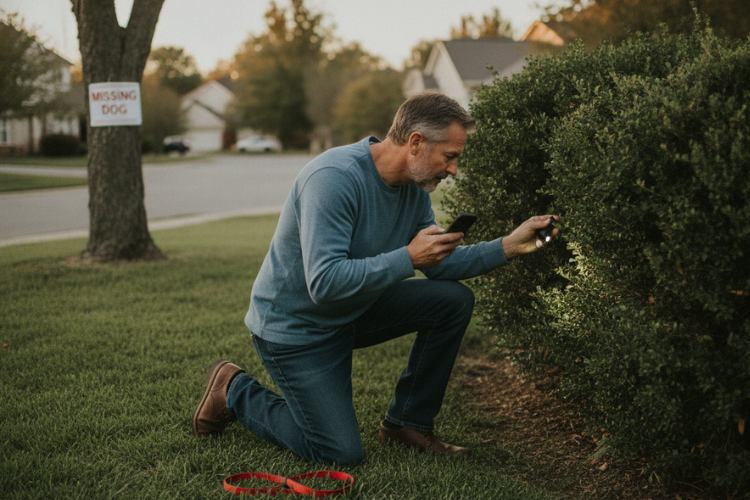
Before heading down the street, make sure your dog is truly gone. Check every room in your house, the backyard, the garage, and any place where a frightened pet might hide. Some dogs squeeze into surprisingly small spaces or stay quiet when they are scared.
It is also worth asking family members or neighbors if they have seen the dog or accidentally let it inside. Taking a few extra minutes to rule out these possibilities can save valuable time.
Start Where Your Dog Was Last Seen
Many successful searches start near the place from which the dog was lost. Walk around the neighborhood on foot rather than speeding through it in your car. Maintain a calm tone and stop frequently in order to listen for signs of life.
Bringing treats, a favorite toy, or another pet your dog knows well may help lure it out of hiding. You may also hear people mention dog night vision, but while dogs can see better than humans in low light, they can still become disoriented or end up in dangerous situations after dark. That is why it is important to search carefully and not assume your pet can easily find its way home on its own.
These are among the most useful tips for finding lost dog situations because they keep your attention on places your pet is most likely to visit first.
Get Your Neighborhood Involved Early
You do not have to search alone. Tell nearby residents, delivery drivers, postal workers, and local businesses that your dog is missing. A recent photo and a contact number make it easier for someone to recognize your pet.
Ask people to report sightings instead of chasing the dog. A frightened animal may run farther if approached too quickly, making recovery more difficult.
Make a Flyer and Spread the Word
Put together a simple flyer with a recent photo of your dog, a short description, the area where it went missing, and your contact details. Keep it easy to read so people can quickly recognize your pet and get in touch if they spot it.
It’s also a good idea to post the same information in local Facebook groups, community chats, and neighborhood pages where nearby residents are likely to see it.
If your dog is microchipped, take a moment to make sure your contact information is up to date through microchipping services. If someone brings your pet to a shelter or veterinary clinic, accurate records can make it much easier for them to reach you.
Reach Out to Shelters and Veterinary Clinics
Do not assume someone will notify you automatically. Contact nearby animal shelters, rescue organizations, and veterinary offices as soon as possible. Provide details such as breed, size, coat color, collar information, and any unique markings.
Check back regularly over the next several days. New animals may arrive at different times, and staff may recognize your description after speaking with you again.
Let Your Dog’s Behavior Guide the Search
Every dog reacts differently when separated from its owner. A confident dog may approach people for help, while a nervous one may hide until it feels safe.
Think about the places your dog enjoys. It may return to a favorite walking route, a nearby park, or even the home of someone it knows. Many pet owners find that the best way to find a lost dog is to combine these familiar locations with reports from neighbors and local groups.
If you have recently adopted a pet, reading about Preparing for a Rescue Dog can also provide insight into behaviors that some dogs show when they become frightened or overwhelmed.
Respond Carefully to Reported Sightings
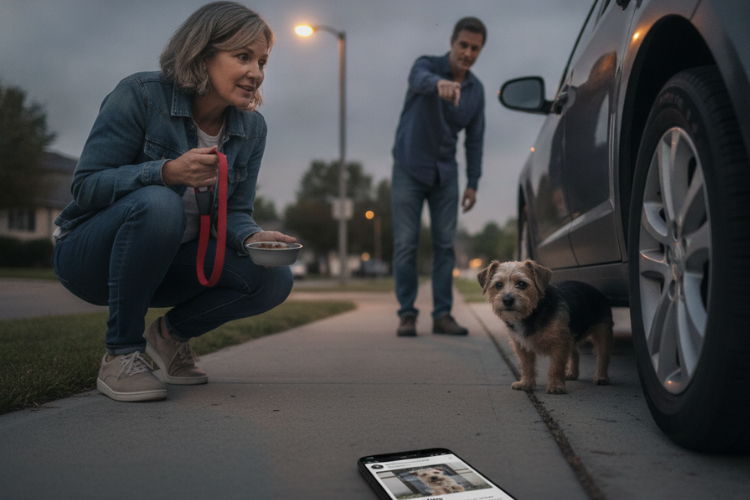
A reported sighting is a good sign, but it does not always mean your dog will still be there when you arrive. Ensure that you request the location and directions in which the animal was sighted before setting out.
Once you get into this region, refrain from making any abrupt actions or shouting loudly because this could scare the dog and cause him to take off once again. Remain calm, crouch down if you can, and try luring your pet with food or his favorite toy.
In many situations, the best way to find a lost dog after someone spots it is to give the animal space and create an environment where it feels safe enough to return to you.
Stay Consistent Even If the Search Takes Time
Some dogs return home within hours, while others are found after several days or even longer. Keep checking shelters, refresh your online posts, and revisit areas where people have reported sightings.
Check if there was any footage from surveillance cameras, and inquire at local businesses if they observed a stray dog. Such consistent actions may result in the discovery of minor details that eventually help locate a dog. Such information is useful when locating dogs that are seemingly lost.
Last Words
Losing a dog is stressful, but staying focused can help you make better decisions. Keep following up on new leads, ask people in the area to stay alert, and don’t lose hope if your pet isn’t found right away. If you’re finding a lost dog or trying to understand how to find your lost dog, small efforts made consistently can add up.
So many people have been able to reunite with their pets, despite having continued even when they had enough reason to give up. And that is why you should ask yourself before packing off, have you covered all the places where your dog may return to?
FAQs
How far can a lost dog travel in one day?
A lost dog may stay close to home or travel several miles, depending on its personality, fear level, and surroundings.
Should I leave food outside for my missing dog?
You can leave familiar items or food nearby, but check the area often since other animals may be attracted to it.
Is it better to search during the day or at night?
Search at both times if possible. Daylight improves visibility, while quiet evenings may encourage a scared dog to come out.
What should a lost dog flyer include?
Include a recent photo, your dog’s description, the last known location, and your contact information.
How long should I keep looking for my missing dog?
Keep searching and checking local shelters regularly. Some dogs are reunited with their owners days or even weeks later.