Finding holes all over the yard can be frustrating for any dog owner. One day, the lawn looks fine, and the next, your dog has dug up flower beds, grass, or fence corners. Although the behavior may seem destructive, digging is natural for many dogs. Some dig to cool off, some to burn energy, and others out of boredom or curiosity.
The good news is that digging can often be managed with the right approach. Instead of punishment, it’s better to understand what is causing the behavior and redirect your dog’s energy in a healthier way.
In this blog, we’ll discuss why dogs dig, how boredom, stress, and curiosity contribute to the habit, and what yard changes may help. We’ll also cover simple training tips and outdoor activities that can help reduce digging while keeping dogs active and happy.
Why Dogs Dig in the Yard?
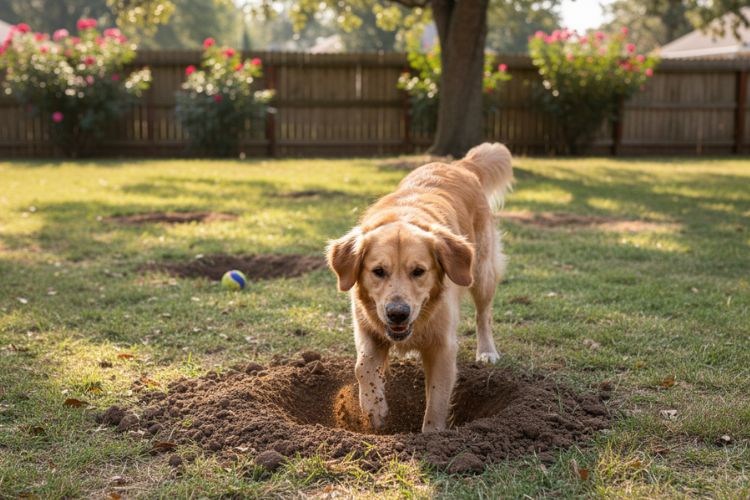
Dogs dig for different reasons, including instinct, boredom, stress, or discomfort. Some use digging to release energy or keep themselves entertained. Understanding the cause behind the behavior makes it easier to manage and helps owners stop digging in a healthy, positive way.
-
Natural Instincts
Digging is a natural behavior for many dogs. Breeds like dachshunds, terriers, and hounds were originally bred for hunting and digging, so they are often more interested in this behavior than other dogs. Some dogs enjoy following smells under the ground, while others simply like playing in the dirt. This habit usually becomes more noticeable when dogs spend too much time outside without enough attention, exercise, or activities to keep them busy.
-
Boredom and Lack of Activity
Pets that do not receive enough exercise or mental engagement often search for their own ways to stay occupied. Scratching up the lawn can quickly turn into a routine when they have extra energy and limited stimulation. Walks, interactive toys, fetch games, and play sessions can help get dogs to stop digging by giving them healthier outlets for their energy. Dogs that stay active and entertained are usually less likely to damage the yard.
-
Heat and Comfort
Many dogs dig during hot weather to reach cooler soil under the ground. The dirt below the surface often feels cooler and softer than warm grass or concrete, giving dogs a more comfortable place to rest. Some also dig to create a shaded spot where they can cool down.
Pet owners can help reduce this behavior by adding shaded areas, cooling mats, or comfortable outdoor beds. A cooler outdoor space often makes dogs less likely to dig during warm days.
-
Stress and Anxiety
Emotional discomfort can also lead dogs to dig excessively. Some dogs turn to digging when they feel anxious, lonely, or unsettled. Loud noises, sudden routine changes, or spending too much time alone can make the behavior worse.
Pet owners can often spot early signs by understanding basic dog body language. Pacing, whining, nonstop barking, or restless behavior may show that a dog is feeling stressed. In many cases, dogs dig to release tension and calm themselves down.
-
Escape Attempts
Dogs that have a strong sense of curiosity frequently engage in digging behavior. Some pets scratch at gates or fences when they see animals nearby, hear odd noises, or notice movement. Some attempt to dig their way out in search of greater excitement, stimulus, or an opportunity to venture outside the yard.
Fixing weak fence areas and keeping dogs active with regular exercise can help cut down on digging near escape spots. A safe outdoor space filled with games, toys, and enriching activities also helps keep dogs from wandering off or digging their way out of the yard.
Signs Your Dog’s Digging Is Becoming a Problem
Occasional digging is normal, but repeated destructive behavior should not be ignored.
Common signs include:
- Multiple holes are appearing around the yard
- Damaged grass or garden beds
- Digging immediately after going outside
- Scratching at fences and gates
- Obsessive digging in the same location
When digging becomes frequent, it is important to address the behavior early before it turns into a long-term habit.
How to Stop Your Dog from Digging?
Training and consistency are the most effective ways to control digging behavior.
1. Increase Daily Exercise
One of the best ways to stop dogs from digging is by increasing physical activity. Dogs with enough exercise are less likely to release energy through destructive behavior.
Daily walks, games of fetch, and outdoor play sessions can make a major difference. High-energy dogs especially benefit from activities that challenge both their body and mind.
Regular exercise helps stop dogs from digging because it reduces boredom and keeps them satisfied throughout the day.
2. Provide More Mental Stimulation
Mental stimulation is just as important as physical exercise. Puzzle toys, obedience training, and treat-dispensing games keep dogs focused and entertained.
Teaching new tricks or rotating toys regularly can help get dogs to stop digging by giving them healthier activities to enjoy.
Dogs that stay mentally active are far less likely to develop destructive habits in the yard.
3. Create a Safe Digging Zone
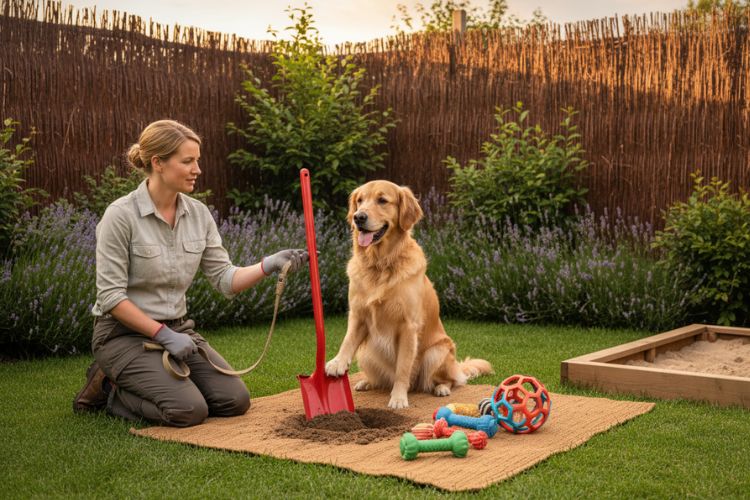
Sometimes, the easiest solution is to give your dog a designated area where digging is allowed.
A sandbox or digging corner can work well for dogs that naturally love to dig. You can bury toys or treats in the area to encourage your dog to use that spot instead of damaging the rest of the yard.
This method keeps dogs from digging in unwanted places while still allowing natural behavior in a controlled way.
4. Supervise Outdoor Time
Many owners allow dogs outside without supervision, which makes it harder to correct unwanted behavior.
If you notice your dog starting to dig, redirect their attention immediately with a toy, command, or game. Reward calm behavior with praise or treats.
Consistency is important when trying to get dogs to stop digging. Dogs learn faster when corrections and rewards happen immediately.
5. Use Positive Reinforcement
Positive reinforcement usually works much better than punishment when it comes to stopping digging behavior. Yelling at a dog after it has already started digging often creates confusion and stress instead of helping the dog learn.
A better approach is to encourage the behavior you want to see. When your dog stays calm outside, plays appropriately, or avoids digging, reward them with praise, treats, or affection right away. Over time, dogs begin to connect good behavior with positive outcomes.
Using rewards consistently is often one of the most effective ways to stop dogs from digging without creating fear, anxiety, or frustration.
6. Make Problem Areas Less Attractive
Making digging spots less appealing can also help discourage unwanted behavior. Small yard changes often make a big difference, especially in areas your dog targets repeatedly.
Helpful solutions may include:
- Covering old holes with rocks or mulch
- Placing barriers around flower beds or garden areas
- Blocking off fence corners where digging usually starts
- Adding safe landscaping materials to limit access to soft soil
These simple outdoor adjustments can help keep dogs away from problem areas and reduce repeated digging around the yard.
Yard Changes That Help Prevent Digging
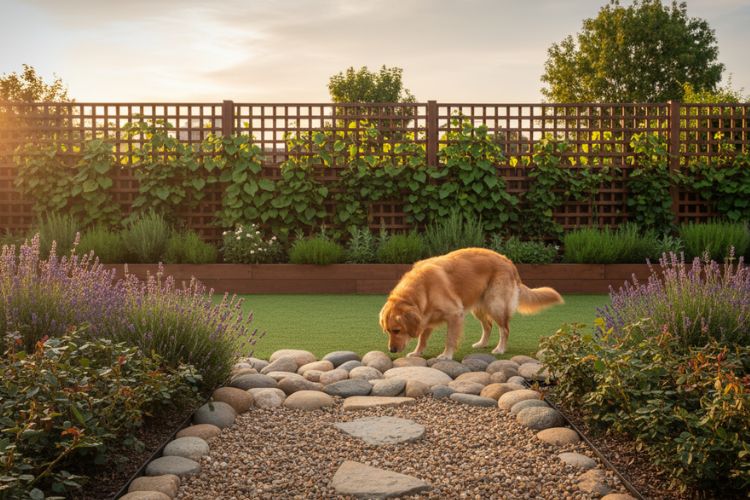
Creating a dog-friendly yard can go a long way in reducing destructive digging and making outdoor time more enjoyable for your pet. Small changes to the environment often help dogs feel calmer, more comfortable, and less likely to dig out of boredom or frustration.
-
Add Shade and Comfortable Resting Areas
When it gets too hot, dogs frequently dig to find cooler places. This behavior can be naturally reduced by providing them with nice, shaded areas to rest. When it’s hot outside, your dog can keep comfortable by using outdoor beds, covered patios, cooling mats, or simply a shaded nook rather than burrowing into the ground for relief.
-
Secure Fence Areas
Your dog may be trying to get out of or responding to outside distractions if it repeatedly digs close to fences. By strengthening fence lines and burying a piece of the fencing slightly below the ground, escape tunneling can be avoided, and a safer outdoor space can be established. Additionally, by reducing distractions from passing people and other animals, a secure yard might reduce the incentive to dig along the boundary.
-
Add Outdoor Activities
Dogs are more likely to dig when they have too much energy built up or nothing to do. Keeping the yard fun and mentally stimulating can help cut down on destructive behavior and give dogs healthier ways to stay busy. Interactive games, obstacle courses, and activities similar to dog jumping training help dogs burn off extra energy while staying active and entertained.
Toys, puzzle feeders, and outdoor enrichment stations can also help keep dogs occupied throughout the day and stop them from digging out of boredom. Activities that let dogs run around, work things out, and play freely help wear them out in a positive way. When dogs get enough exercise and mental stimulation, they are much less likely to fall into habits like excessive digging.
Training Methods That Encourage Better Outdoor Behavior
- Use the same commands and routines every day to build consistent habits.
- Make sure all family members follow the same training approach.
- Avoid mixed signals that may confuse your dog.
- Stay patient and consistent to reduce unwanted digging over time.
- Teach commands like Come, Leave it, and Stay.
- Keep training sessions short and practice daily.
- Redirect your dog’s attention when digging begins.
- Reward calm outdoor behavior immediately with treats, praise, or affection.
- Encourage positive habits during outdoor play and yard time.
- Use positive reinforcement regularly to help stop long-term digging behavior.
Last Words
Digging is natural for many dogs, but it can usually be managed with the right approach. Understanding the cause behind the behavior, along with regular exercise, mental stimulation, and consistent training, can help reduce unwanted digging over time.
With patience and positive reinforcement, dogs can learn healthier outdoor habits while still enjoying time outside. Support and resources from North Bay Animal Services can also help pet owners better understand their dogs and create a safer, happier environment.
FAQs
Why do dogs suddenly start digging in the yard?
Dogs may suddenly start digging because of boredom, anxiety, excess energy, heat, or curiosity. Changes in routine can also trigger new behaviors.
What is the best way to stop dogs from digging?
The best way to stop dogs from digging is through regular exercise, mental stimulation, supervision, and positive reinforcement training.
Can exercise help get dogs to stop digging?
Yes. Regular physical activity helps release extra energy and reduces boredom, which are two major causes of digging behavior.
How does I keeps dogs from digging near fences?
You can keep dogs from digging near fences by reinforcing weak areas, blocking access to corners, and supervising outdoor time.
Is digging always a bad behavior in dogs?
No. Digging is a natural instinct for many dogs, but it becomes a problem when it damages the yard or turns into obsessive behavior.