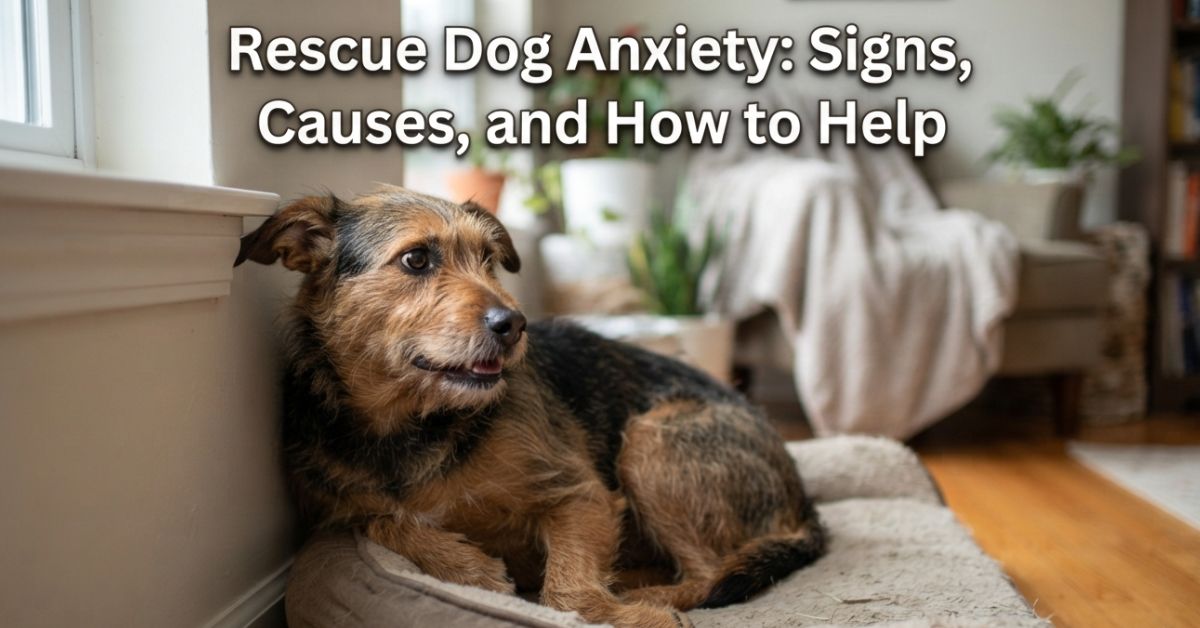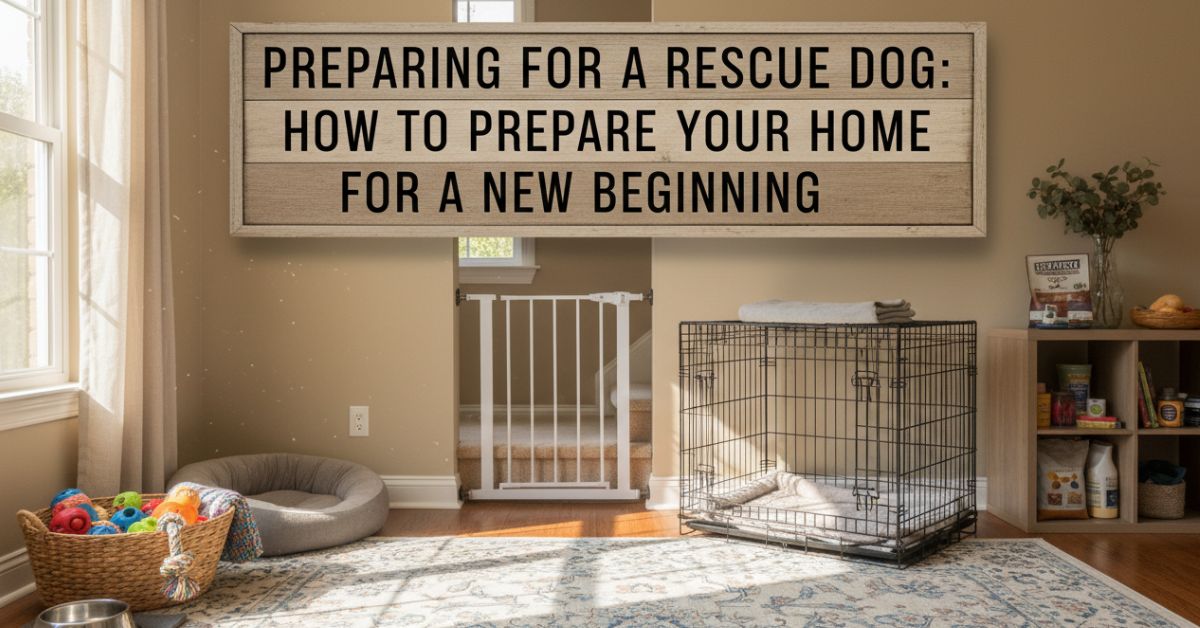
Bringing a rescue dog home isn’t just a happy moment; it’s a turning point. For you, it’s the start of a new chapter. For the dog, it may be the first time in a long while that life feels predictable, gentle, and safe. That’s why preparing for a Rescue Dog matters so much.
Rescue dogs don’t walk through the door knowing they’re home. They arrive cautious, observant, and often unsure. Your home, your energy, and your preparation will quietly tell them whether they’re finally somewhere they can relax. The more intentional you are before day one, the easier that transition becomes.
Why Rescue Dogs Need a Thoughtful Start
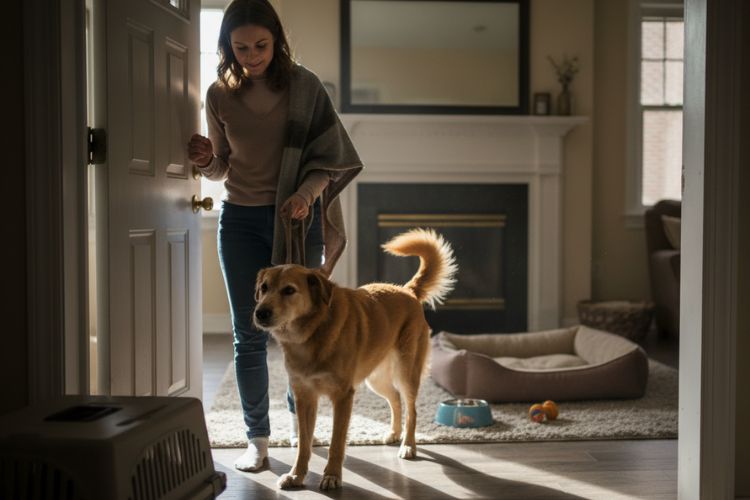
Rescue dogs each have their own story that they’ve lived through before becoming part of your family. Some lived in a loving environment, but have now lost that home. Others have been lost or abused and are now being moved from one place to another. In general, these dogs have developed an instinct to live on alert rather than in a relaxed state.
Therefore, when bringing home a rescue dog, it is a big transition because you are asking your new dog to trust you again. Creating a calm, safe environment will help lower your dog’s anxiety so he/she can feel safe without feeling pressured.
It does not have to be perfect, but you need to create an environment for your new dog that is predictable, stable, and kind to help create trust.
Start With One Quiet, Safe Area
Before your new dog arrives, you should choose where he/she will be for the first few days of their new home. This area should be a calm and quiet area. It should be a space with little foot traffic and will be easy for you to manage. Too much freedom too fast can be very frightening for a dog that is just coming from the street and then into a new home.
When creating your quiet space, provide a comfortable bed for your dog, and provide him/her with clean water and a couple of simple toys. Do not put any toys that make noise, are bright, or have lots of people around in this area; Let this space be your new dog’s anchor/center point.
This is one of the most important things you can do to prepare for a rescue dog. A calm beginning will give your new dog time to decompress and to be able to observe without any pressure.
Dog-Proof Your Home Before Curiosity Kicks In
Rescue dogs explore differently. Some are cautious, others dive headfirst into everything. Before your dog arrives, walk through your home with fresh eyes.
Secure cords, remove breakables from low shelves, lock away cleaning products, and check plants for toxicity. Trash cans should be inaccessible, and small items should be out of reach.
A safe environment means fewer corrections, which builds confidence faster. Dogs relax when they aren’t constantly being told “no.”
Have the Basics Ready, Nothing More
You don’t need a mountain of supplies. In fact, too much can overstimulate a dog who’s still adjusting.
Before bringing home a rescue dog, have:
- The food they’re already used to
- Two sturdy bowls
- A comfortable bed
- A collar, leash, and ID tag
- One or two simple toys
Keep it minimal. Familiarity comes before enrichment.
Decide Household Rules Ahead of Time
Dogs thrive on clarity. Decide early what’s allowed and what isn’t. Couch or no couch? Bedroom access or not? Changing rules later creates confusion.
Use physical boundaries, gates, or closed doors, rather than constant verbal correction. Quiet guidance feels safer than repeated commands, especially for dogs learning a new environment.
This consistency plays a major role in how to care for a rescue dog long-term.
Prepare the People, Not Just the Space
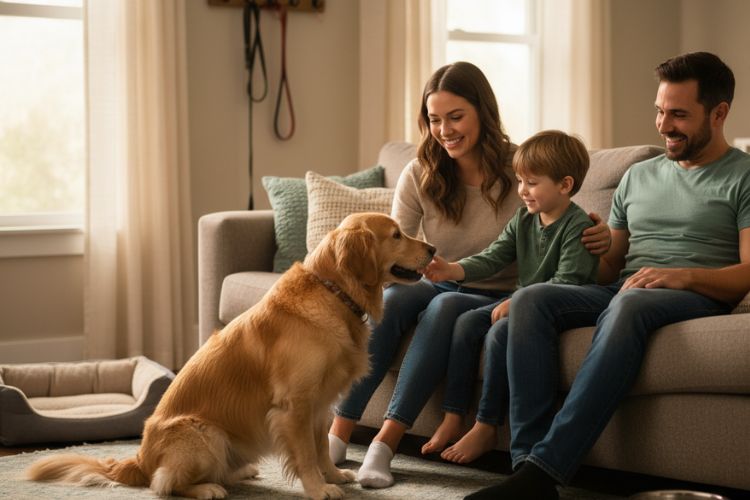
Your dog isn’t the only one adjusting. Everyone in the home needs to understand that rescue dogs often need space before affection.
Children should avoid hugging, grabbing, or crowding. Visitors should be limited at first. Even eye contact can feel intense for some dogs early on.
If you’re adopting a dog, patience from the humans matters just as much as preparation of the home.
The First 72 Hours: Keep Life Simple
During these initial days of transition, you can expect your new dog to exhibit the following behaviors: they may appear more tired than normal; will probably not be very active when it comes to eating; and may seem to spend a lot of time observing.
A simple routine will help your new dog settle in, including feeding (same feeding time you had been doing), exercise/walks (a little longer than what they were used to), and rest (a couple of hours of uninterrupted rest each day). Avoid any kind of introduction, venture outside the home, or provide anything that would overwhelm or frighten your new dog. Allow your new dog to take some time to adjust to their new environment and to you.
Understanding how to prepare to adopt a dog means knowing when not to do too much.
Build a Routine That Feels Reliable
Routine creates security. Feeding times, walks, play, and rest should happen around the same times each day.
Dogs relax when they can predict what’s next. That predictability lowers anxiety and helps rescue dogs feel grounded in their new environment.
This is a core part of how to care for a rescue dog, especially during the first few weeks.
Plan for Health and Ongoing Care
Even if your rescue dog received medical care at the shelter, schedule a vet visit soon after adoption. This establishes a baseline and gives you peace of mind.
Discussions may include nutrition, preventive care, and long-term planning, such as a pet spay and neuter program if it hasn’t already been completed.
Local resources, including Animal Control Help, can also provide guidance on licensing, community services, and responsible pet ownership.
Expect Progress And Pauses
You will not have a linear timeline of adjustment. One day, your dog will be outgoing and confident, the next more laid back and hesitant. This is processing, not regression.
Do not focus on moving with speed through milestones. The best way you can build trust with your team is to respect them and not rush them through the process. You can give them more to build trust by just supporting them calmly, rather than correcting them.
This mindset is essential when bringing home a rescue dog.
Let Trust Develop Naturally
Your dog will determine what is safe for him and when. You can help him feel safe by being near him, speaking to him softly, and allowing him to approach you. By forcing love on your dog, your dog will not bond with you as strongly or as quickly.
Frequently Asked Questions
How long does it take for a rescue dog to settle in?
Many dogs start relaxing within a few weeks, but full adjustment can take several months.
Should I invite people over right away?
It’s best to limit visitors early so your dog can decompress.
What if my rescue dog seems distant or quiet?
That’s completely normal. Many dogs need time to observe before engaging.
Is routine really that important?
Yes. Routine creates predictability, which helps rescue dogs feel safe.
Final Thoughts
Preparing for a rescue dog isn’t about doing everything perfectly; it’s about being thoughtful, patient, and present. When your home feels calm and predictable, your dog can finally let go of survival mode.
Rescue dogs don’t need to be impressed. They need to feel safe. When you give them that, the bond that follows is deep, genuine, and incredibly rewarding.