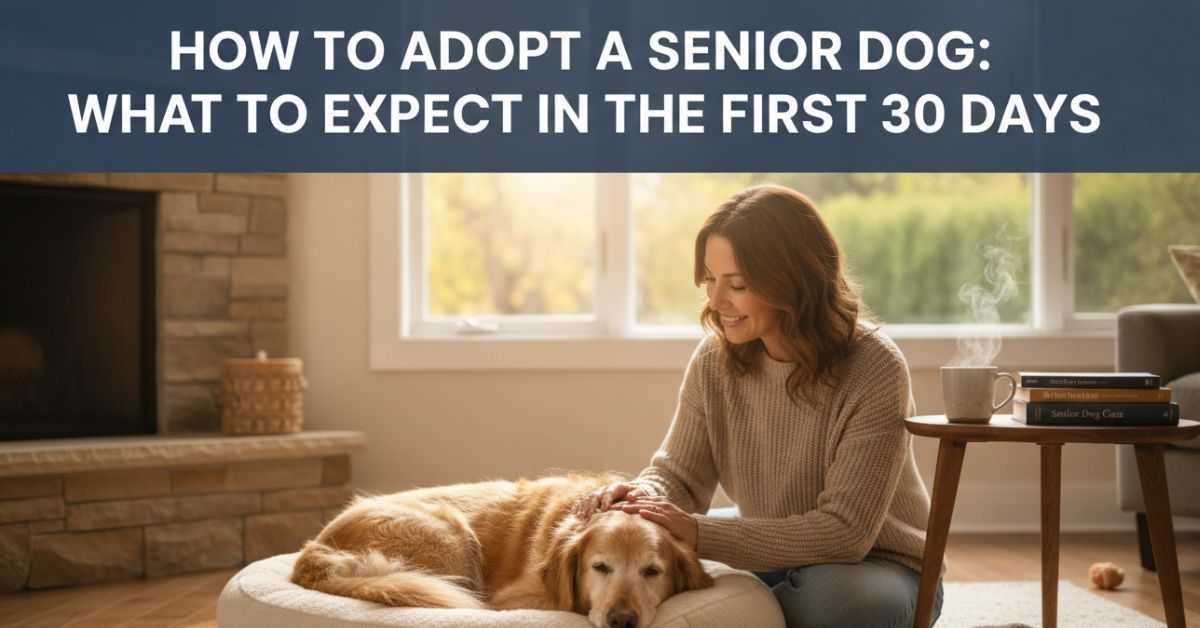
Older dogs often get overlooked in shelters, even though many already have basic manners and calmer personalities. Adopting a senior dog can be a wonderful experience, but it also comes with responsibilities that first-time adopters may not expect. The first month is usually a period of adjustment as your new companion learns to trust you and settles into unfamiliar surroundings.
This guide explains how to prepare before bringing your dog home and what you can realistically expect during those first 30 days. Whether you are experienced with pets or adopting an older dog for the first time, a little planning can make the transition smoother for everyone.
Before You Say Yes to a Senior Dog
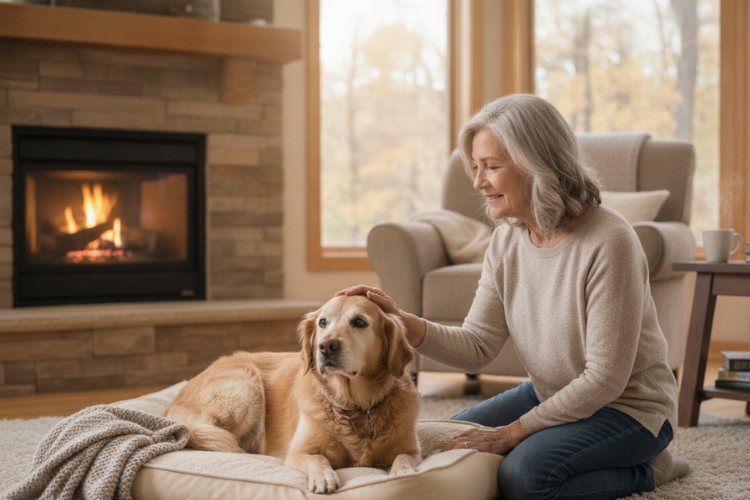
Bringing an older dog into your home is a long-term commitment, so it helps to think beyond first impressions. A calm personality or sweet face may catch your attention, but understanding the dog’s day-to-day needs will help you decide if it’s the right match for your household.
Decide Whether a Senior Dog Fits Your Lifestyle
Consider the nature of your everyday life carefully. Do you have enough time to take daily walks and provide routine veterinary care? Some senior canines will require medical care in addition to aging, but others just require a spot to relax in comfort. It is important to be realistic about your own circumstances before committing to a dog’s needs.
Learn as Much as You Can About the Dog
Ask shelter staff or foster families about the dog’s history if it is available. Find out what food it eats, whether it enjoys walks, how it reacts to strangers, and if it has lived with children or other animals before.
This information can help you avoid unnecessary stress during the first few weeks and is especially valuable when adopting a rescue senior dog with an unknown background.
Set Up Your Home in Advance
Have food and water bowls, comfortable bedding, and age-appropriate food ready before your dog arrives. Place the bed in a quiet area where the dog can rest without constant activity.
Many new owners also find it helpful to read resources about Preparing for a Rescue Dog before adoption. Learning what to expect ahead of time makes it easier to respond calmly when your new pet needs extra patience.
The First Week Will Probably Be Quieter Than You Expect
Some dogs settle in quickly, while others spend the first few days sleeping, observing, or staying close to one spot. That is perfectly normal. Give your pet time to understand that it is now in a safe place.
Give Your New Companion Space
Avoid inviting lots of visitors or introducing too many new experiences right away. Let your dog explore one room at a time and approach family members on its own terms.
You might wonder if your dog likes you during those quiet moments. In reality, trust often develops slowly, especially when adopting an older dog for the first time.
Establishing a Reliable Schedule
Feeding should be done at specific times throughout the day. It is beneficial to have similar schedules for walking. Having simple activities such as bedtime and going to the potty will give your house a sense of familiarity earlier than expected.
Visit Your Vet Soon
Make sure to schedule your appointment within the first week if possible. Take along any documentation regarding your pet’s health provided by the rescue center. The vet will also suggest any changes required in the dog’s diet plan and offer senior dog care advice.
Building Trust Takes Patience, Not Perfection.
The bond between you and your new pet grows through everyday interactions rather than dramatic moments. Small acts of kindness repeated over time build confidence.
Let the Dog Come to You
Do not rush your dog toward you, but allow him to come toward you by himself. Use soft tones of your voice, reward your dog with treats for staying calm, and just enjoy being with him. Do not pick up or hug your dog unless you really need to. Most old dogs feel more comfortable when given the freedom to move around.
Introduce Family Members Slowly
Make sure that all introductions to your pet are relaxed and short. After introducing your dog to one person, begin expanding introductions in a slow and controlled manner. The process outlined above can be especially useful for bringing a senior rescue dog into a new home.
Small Daily Habits Make a Big Difference
The routines you build during the first month can have a lasting impact on your dog’s comfort and confidence. Older dogs usually appreciate stability, and even small changes in your daily schedule can help them feel more secure.
Keep Exercise Gentle
Even old dogs need exercise on a regular basis, but the type and duration of exercise they require are more gentle, as opposed to rigorous exercises. You should take note of how your dog is feeling while out on a walk. Watch your dog’s gait for any sign of stress or discomfort, and give your dog enough time to sniff around during exercise.
Support Physical and Mental Health
Being comfortable is equally important as being physically active. Comfortable bedding, convenient access to drinking water, and consistent feeding times will make life much more comfortable for your elderly dog. These tips for caring for senior dogs ensure that a comfortable environment is maintained without overloading the pet.
Mental stimulation is important too. Food puzzles, scent games, or a few minutes of basic training keep the mind active and provide gentle enrichment without requiring strenuous activity.
Encourage Good Manners With Positive Training
Older dogs are capable of learning new skills. Reward the behaviors you want to see instead of punishing mistakes. Consistency and patience usually lead to better results.
If your dog greets visitors by jumping up, gentle dog jumping training can teach calmer habits while protecting both the dog and your guests from accidental injuries.
Challenges You Might Face Along the Way
The first month may come with a few unexpected challenges, but they are often part of the adjustment process.
- Your dog may eat less than usual or sleep more while getting used to a new home.
- Keep an eye on changes in appetite, energy levels, or bathroom habits, and contact your veterinarian if symptoms persist.
- Even a house-trained dog can have occasional accidents because of stress or unfamiliar surroundings.
- Stick to a regular potty schedule and reward good behavior instead of reacting harshly to mistakes.
- Some senior dogs may pace around the yard or start digging as they settle in.
- Boredom and anxiety can contribute to these behaviors, so provide toys, walks, and activities that keep dogs from digging to redirect their energy.
- Give your dog time to adapt, remembering that patience and consistency often lead to steady improvement.
Signs Your Dog Is Finally Settling In
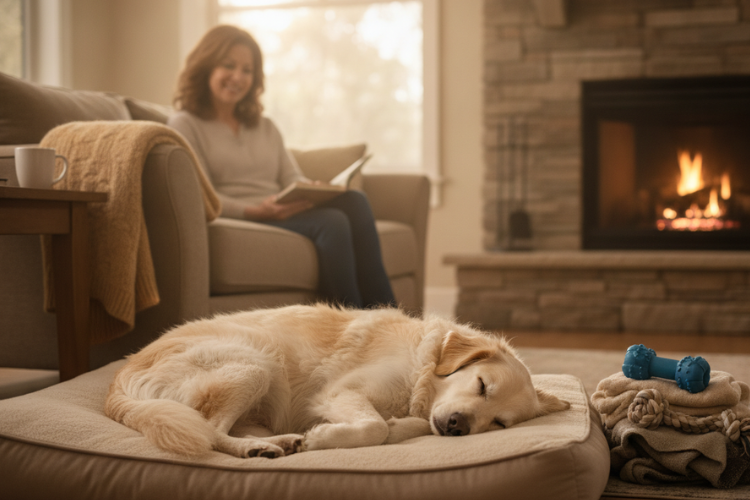
Progress often appears little by little. You may not notice dramatic changes overnight, but small improvements usually add up.
Growing Confidence Around the House
The dog who used to hide in one corner may now explore various rooms, stretch out for naps, or even relax around members of the family. These are all good indicators that the dog now feels more comfortable in its new environment.
Stronger Bonds With Family
If your dog begins to follow you around the house, greets you when you enter with a wagging tail, or wants some affectionate attention, these are all positive signs of a growing relationship with the dog. Adopting a Senior Dog Brings a Deeper Bond Formed Through Patience and Consistency.
Feeling at Home
Regular eating habits, a willingness to respond to its name, and calm behavior during everyday activities all suggest your dog is becoming comfortable. Every pet adjusts at its own pace, so avoid comparing your progress with someone else’s experience.
Last Note
The first month with an older dog is about learning, adjusting, and building trust together. There may be quiet days and unexpected challenges, but there are also rewarding moments that make the effort worthwhile.
If you are rescuing an older dog, take the time needed for both you and the rescued dog to develop a rhythm. In fact, there have been several individuals who found themselves initially reluctant to rescue their first older dog but later realized that this was one of the best choices they have ever made.
FAQs
How long does it take a senior dog to adjust to a new home?
Many senior dogs begin settling in within a few weeks, but some need a month or longer to feel fully comfortable.
Is adopting a rescue senior dog harder than adopting a younger dog?
Not necessarily. Adopting a rescue senior dog can actually be easier because many older dogs are calmer and already have basic manners.
What are the most important tips for adopting an older dog?
Be patient, keep a consistent routine, schedule a veterinary checkup, and learn about the dog’s history. These are among the best tips for adopting an older dog.
What must be purchased prior to acquiring an older dog?
Firstly, one needs food, a water bowl, a nice bed, a leash, some toys, and any other items recommended by your vet.
Is it a good idea to adopt an older rescue dog for a first-time owner?
Yes, with the proper mindset, it is definitely a great idea to adopt an older dog from a shelter.