Finding unusual discharge or noticing your dog repeatedly licking her vulva can be worrying. Many owners immediately assume it’s a urinary tract infection, but these signs can also point to vaginitis in dogs. This condition causes inflammation of the vaginal tissues and may affect both young puppies and adult female dogs, although the underlying causes are often different.
The majority of cases will get better once the cause of the inflammation has been diagnosed. With knowledge about what signs to look out for, the reasons behind the development of such inflammation, and the need for treatment, one can avoid further issues.
What Is Vaginitis in Dogs?
Vaginitis in dogs is the inflammation of the vaginal lining. The condition may develop before a puppy reaches maturity or later in adulthood. While it can cause irritation and discharge, it is not always the result of infection. Hormonal changes, anatomical differences, and irritation from the surrounding environment can all contribute to the condition.
Because the symptoms closely resemble those of a urinary tract infection, many owners confuse the two conditions. However, a dog vaginal infection is only one possible cause of vaginitis. Understanding this difference is important because treatment depends on the underlying reason for the inflammation rather than the symptoms alone.
Why Don’t Puppies and Adult Dogs Develop Vaginitis for the Same Reasons?
Puppy vaginitis is most commonly seen in female dogs before their first heat cycle. The condition is usually mild and often produces a small amount of white or yellow discharge without affecting the puppy’s overall health. In many cases, the inflammation improves naturally after the first heat as hormone levels change during development.
Adult-onset vaginitis in dogs is less likely to resolve without treatment because it is often associated with bacterial infections, urinary problems, obesity, anatomical abnormalities, or chronic medical conditions. These dogs usually need further evaluation to determine exactly what is causing the inflammation before treatment begins.
The First Signs Owners Usually Notice
The early signs of vaginitis in dogs are often easy to overlook because many dogs continue eating, playing, and behaving normally. What usually changes first is the area around the vulva or your dog’s grooming habits. Recognizing these small differences early can help you address the problem before the irritation becomes more noticeable.
Physical Changes
Discharge from the vagina is the first sign that dog owners will observe. The discharge usually appears white, yellow, or a bit cloudy and is often noticed when the dog is urinating or sleeping. In addition to this, there are cases where the dog may show mild swelling and redness around the vagina, and constant licking around the area makes the fur wet.
Changes in Behavior
Some dogs lick the area more often, scoot across the floor, or ask to go outside more frequently because urinating feels uncomfortable. You may also notice small changes in your dog body language, such as sitting or walking differently to avoid irritation.
Signs That Point to Something More Serious
Simple irritation tends to resolve once the cause is addressed, but there are several symptoms that require prompt attention. These include bloody or foul-smelling discharge, difficulty urinating, fever, poor appetite, and fatigue. In such cases, it is necessary to take the dog to the vet right away instead of observing it at home.
What Causes Vaginitis?
There could be several causes behind vaginitis in dogs, and identifying the root cause can lead to better treatment options that will not only solve the problem but also prevent future occurrences.
Bacterial Infection
The most prevalent cause of dog vaginal infections, particularly in mature dogs, is a bacterial infection of the vagina. Moisture, urine, and other materials may promote the development of bacteria.
Hormonal Changes During Growth
Changes in hormones prior to the first estrus period may cause vaginal irritation in young female puppies. Because many cases improve naturally with maturity, puppy vaginitis treatment often focuses on monitoring symptoms and maintaining good hygiene.
Structural Problems
A recessed vulva or excess skin folds can trap moisture and bacteria, making irritation and recurring inflammation more likely.
Urinary Conditions and Irritation
Urinary incontinence, urinary tract infections, diabetes, poor hygiene, or harsh grooming products can all irritate the vaginal area. Identifying these triggers is an important step in deciding how to treat vaginitis in dogs.
Conditions That May Be Confused With Vaginitis
Several health conditions produce symptoms that closely resemble vaginitis. Urinary tract infections, foreign objects, vaginal tumors, heat-related discharge, and reproductive diseases may all cause irritation or discharge. Because these conditions require different treatment approaches, they should not be assumed to be the same problem.
Although a dog vaginal infection is commonly linked to vaginitis, it is not always the underlying cause. Looking at your dog’s overall health, medical history, and symptoms provides a clearer picture before treatment begins.
How the Right Treatment Is Chosen
The first step is identifying why the inflammation developed. Health history, urine testing, vaginal cytology, bacterial culture, and imaging may be used when needed to determine the exact cause. These tests also help distinguish vaginitis from urinary tract infections and other reproductive conditions.
Once the cause is confirmed, treatment can be tailored to your dog’s needs instead of simply managing the visible symptoms. This approach usually leads to better long-term results and reduces the risk of repeated flare-ups.
Managing Vaginitis Based on the Underlying Cause
Treatment of vaginitis in female dogs depends on its cause. Good hygiene can sometimes resolve mild conditions, while bacteria-induced infections need treatment with medication.
For many puppies, puppy vaginitis treatment involves keeping the area clean and monitoring symptoms as they grow. Adult dogs may need additional care if an underlying medical condition is involved. If you need local pet support or Animal Control Help, trusted community resources can also provide guidance on responsible animal care and related services.
What Happens After Treatment?
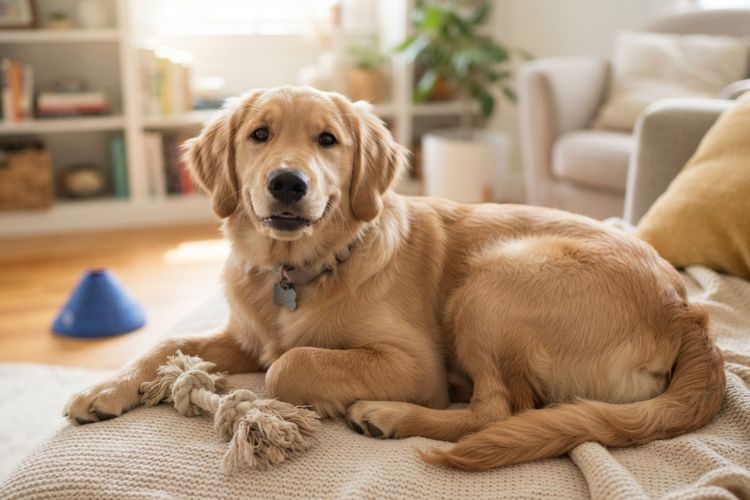
Most dogs begin to feel better once the underlying cause has been treated, and the discharge and irritation gradually improve. During recovery, continue watching for the symptoms of vaginitis in dogs, such as excessive licking or unusual discharge, and follow any care instructions provided. For young dogs receiving puppy vaginitis treatment, keeping the area clean and monitoring their progress can help support a smooth recovery and reduce the risk of recurring irritation.
Final Thoughts
Small changes in your dog’s health are often the first clue that something isn’t right. Paying attention to early signs of vaginitis in dogs can help prevent the condition from becoming more uncomfortable and make treatment more effective. Whether the irritation is caused by a dog vaginal infection or another underlying issue, finding the cause early gives your dog the best chance of a smooth recovery.
For pet owners looking for dependable guidance and local support, North Bay Animal Services offers helpful resources, educational programs, and compassionate services that promote responsible pet care and healthier lives for animals and the families who care for them.
FAQs
Is vaginitis curable without treatment?
Yes. There have been many cases that resolve themselves during the first heat period. It is important to consult a veterinarian in case of continuous discharge, irritation, and other worrying signs.
Is vaginitis recurrent?
Yes. If the root cause persists, the condition can be recurring. It is essential to monitor the symptoms and follow the prescribed treatment regimen.
Can a spayed dog suffer from vaginitis?
Yes. A spayed dog can suffer from vaginitis due to bacteria, incontinence issues, abnormal structures, or inflammation in the area of the vulva.
How much time does it take to recover?
It takes a varying amount of time depending on the reason behind the problem.
What does puppy vaginitis treatment usually involve?
Most cases of puppy vaginitis treatment involve keeping the area clean, reducing irritation, and monitoring the puppy until maturity. Additional treatment may be recommended if symptoms become severe or another medical condition is identified.