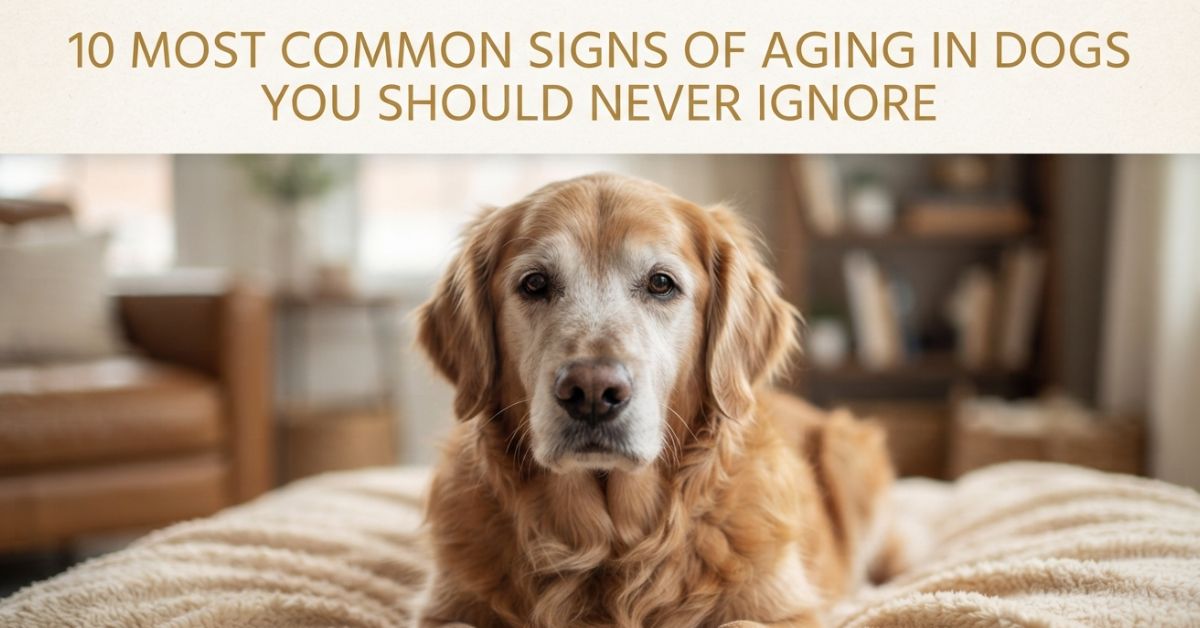
Watching your dog grow older is part of every pet owner’s journey. Gray hairs, slower walks, and longer naps often come with age, but not every change should be dismissed as “just getting old.” Some changes are expected, while others can point to health conditions that benefit from early attention.
Learning the early signs of aging in dogs helps you understand what is normal and what deserves a closer look. The sooner you notice unusual changes, the easier it may be to keep your dog healthy, active, and comfortable throughout the senior years.
When Does a Dog Become a Senior?
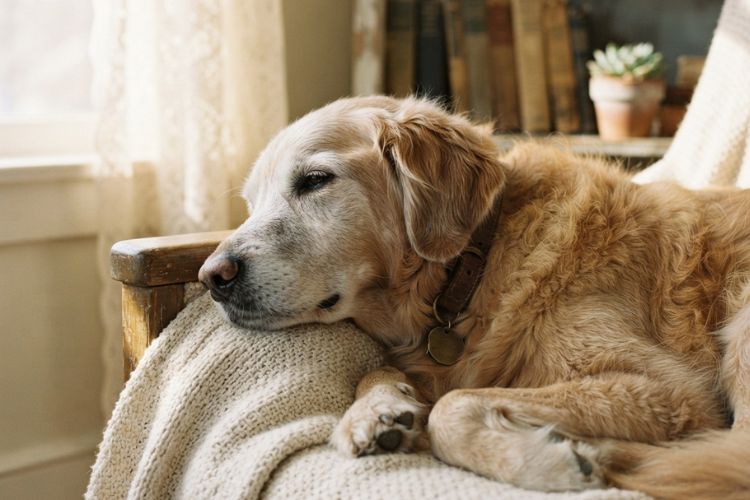
There isn’t a single age when every dog becomes a senior. Smaller breeds often age more slowly and may not reach their senior years until around 10 or 11 years old. Larger breeds usually age faster and can begin showing signs of aging in dogs as early as six or seven years of age.
Getting old does not necessarily mean having health problems. Most senior dogs are active participants in walks, playtime, and family life for many years. The important thing is to be aware of early signs of aging in Dogs.
1. Slower Movement and Stiff Joints
One of the first signs your dog is getting older is moving more slowly than before. You may notice your dog taking longer to stand up, hesitating before climbing stairs, or avoiding the couch they once jumped onto without thinking.
Joint stiffness, arthritis, and muscle wasting are all typical signs of old dogs, but should not be overlooked. With just a few changes like proper body weight, some exercise, and good bed material, they will move more easily.
2. Weight Changes Without a Clear Reason
It’s common for a dog’s weight to change with age, but those changes shouldn’t be ignored. Some senior dogs gain weight because they become less active, while others gradually lose muscle even if their appetite stays the same.
Keeping an eye on your dog’s weight can help you notice problems early. Unexplained weight loss, in particular, may point to an underlying health condition and is often one of the early signs of aging in dogs that owners miss.
3. Hearing and Vision Begin to Change
As dogs age, they may not react to familiar sounds as quickly or may seem confused when called from another room. Some also become more cautious when walking through unfamiliar spaces or dimly lit areas.
Changes in dogs night vision can make it harder to see after dark. Keeping your home well lit and avoiding frequent furniture changes can help your dog move around with greater confidence.
4. Sleeping More and Playing Less
Old age makes older dogs more likely to rest a lot, but there is also a distinction between getting to relax more and losing interest in their surroundings. This should not be taken lightly if the dog does not greet the family, is uninterested in their toys, or becomes tired from walking a little bit.
Lower energy is one of the common signs of aging in dogs, but it can also be linked to pain or illness. Watching for other old dog symptoms alongside reduced activity gives you a better picture of your dog’s overall well-being.
5. Changes in Appetite or Drinking Habits
A healthy appetite usually stays fairly consistent, even as dogs grow older. If your dog suddenly eats much less, drinks far more water than usual, or begins leaving food behind regularly, it’s worth investigating. These changes can be linked to dental problems, kidney disease, diabetes, or other age-related conditions. Among the signs of aging in dogs, changes in eating and drinking habits are often easy to spot but should never be ignored.
6. Dental Problems and Persistent Bad Breath
Bad breath is not only an offensive odor. Bad breath may indicate the presence of periodontal disease and/or cavities. Senior dogs are more prone to problems with their teeth that will lead to pain when chewing food. Dental care and regular veterinary examinations are very important for senior dogs.
7. Lumps, Bumps, and Changes to the Skin
As dogs grow older, it’s common to notice small lumps or changes in their coat. Some growths are harmless fatty deposits, while others require further evaluation. Thinning fur, dry skin, or new bumps should always be monitored because not every lump is simply a normal part of aging.
Checking your dog’s body during grooming or bath time makes it easier to notice new changes. If a lump grows quickly, changes shape, or causes discomfort, it should be examined promptly.
8. Bathroom Habits Become Less Predictable
Senior dogs may experience increased frequency of urination or have indoor accidents even though they had been trained properly for many years before. Constipation and digestive problems may occur in senior dogs as well. These signs of aging in dogs may result from weak muscles, kidney diseases, and other issues besides aging itself.
9. Behavior and Memory May Start to Change
Some senior dogs become restless at night, seem confused in familiar places, or forget routines they’ve followed for years. Others become more anxious or less interested in interacting with people. Paying attention to these changes, along with other signs of fear in dogs, can help you recognize when aging may be affecting your dog’s cognitive health.
10. Less Interest in Family and Daily Activities
An energetic dog who used to love taking long walks and playing catch might slowly become less interested in these activities as they grow old. While having a slower pace can be expected from an aging dog, not participating in family activities and refusing to socialize may indicate something more serious, such as pain or a health problem.
Helping Your Dog Enjoy the Senior Years
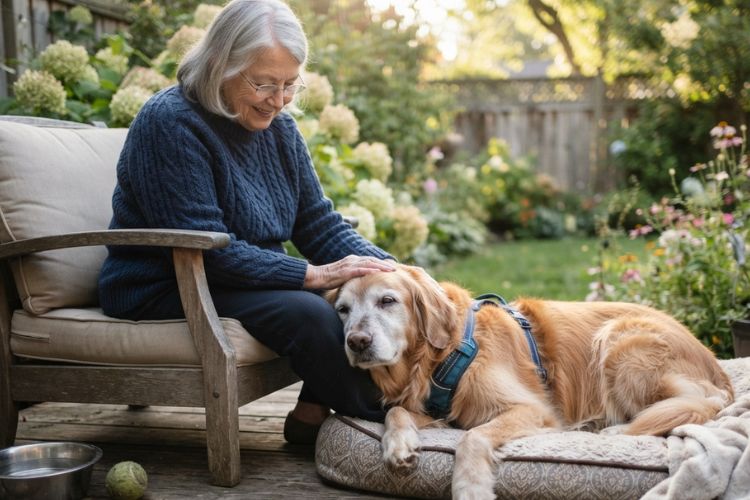
Growing older doesn’t mean your dog can’t enjoy a happy and active life. Regular exercise suited to your dog’s ability, a balanced diet, routine veterinary care, and a comfortable sleeping area all support healthy aging. Keeping track of the early signs of aging in dogs also makes it easier to address health concerns before they become more serious.
Some age-related changes are expected, but dramatic declines in appetite, mobility, or behavior should never be dismissed. Learning the difference between normal aging and more serious conditions, including the signs of a dog dying, helps owners make informed decisions about their dog’s health and comfort.
Last Words
Every dog grows older differently, but paying attention to small changes can have a lasting impact on their quality of life. Recognizing the signs of aging in dogs early allows you to respond before minor concerns become bigger health problems. With regular care, a supportive home, and plenty of patience, many senior dogs continue to enjoy happy, comfortable years with the people who love them.
FAQs
When does a dog enter its senior stage of life?
Small dogs become seniors when they turn 10 to 11 years old, whereas larger dogs become seniors between 6 and 8 years of age due to faster aging.
Is it normal for older dogs to sleep more?
Yes. Older dogs usually spend more time resting, but excessive sleeping combined with other changes should be discussed with your veterinarian.
What are the first signs of aging in dogs?
Gray hair, slower movement, reduced energy, and mild hearing or vision changes are common early Signs of aging in dogs. Monitoring these changes helps identify health concerns early.
Should weight loss in older dogs be a concern?
Yes. Unexpected weight loss isn’t always a normal part of aging and should be evaluated to rule out underlying medical conditions.