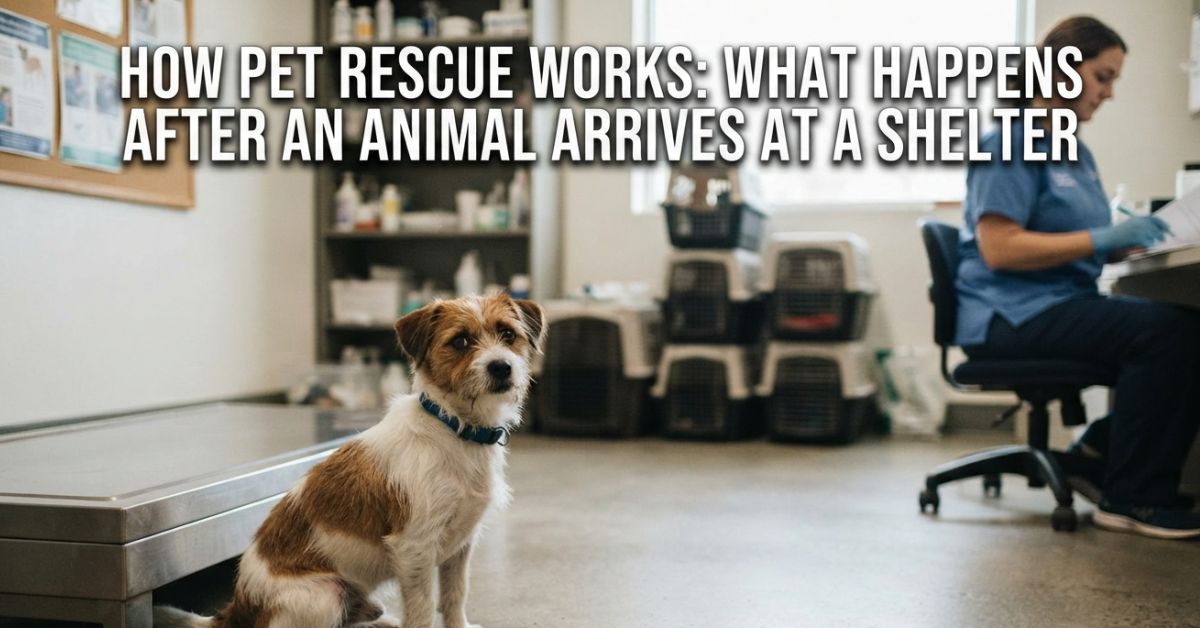
When a dog or cat enters a shelter, the process does not end with placing the animal in a kennel. Staff first need to understand where the animal came from, whether it has an owner, what medical care it needs, and how it behaves around people and other animals.
Understanding how Pet Rescue Works means looking at the different steps an animal may go through before adoption. Some pets are reunited with their families, while others need medical care, foster placement, behavior support, or a new home. Each shelter follows its own process, but the focus remains on keeping animals safe and finding the right outcome.
The First Steps After an Animal Arrives

Animals can enter shelters in different ways. Some are found wandering outdoors, some are surrendered by their owners, and others arrive through transfers from another shelter or rescue group.
Staff record basic information about the animal and how it came into care. They may note its approximate age, sex, size, color, breed type, and any visible markings. This information becomes part of the animal’s shelter record.
The first stage of the pet rescue process is about getting organized and making sure the animal’s immediate needs are addressed.
Checking for Identification
A stray animal may have a family looking for it, so identification is an important early step. Staff may check for a collar or identification tag and scan the animal for a microchip.
If a microchip is found, the shelter can use the registration information to try to contact the owner. Staff may also compare the animal with lost-pet reports and share found-animal information through appropriate local channels.
This is an important part of understanding what happens to animals in shelters because entering a shelter does not automatically mean an animal is available for adoption. For stray pets, efforts may first focus on finding their families.
A Health Check Comes Next
Once the animal has been identified and recorded, staff assess its general health. A veterinary examination may include checking body condition, hydration, injuries, skin, eyes, ears, teeth, and other visible signs of illness.
The animal may also receive preventive care based on its needs and the shelter’s protocols. This can include vaccinations, parasite treatment, testing, or other basic medical services.
Animals that arrive sick or injured may need additional attention. Some require medication or wound care, while others may need diagnostic testing or treatment from a veterinary facility. If an animal has a contagious illness, separating it from other animals can help reduce the risk of spreading disease.
Giving the Animal Time to Settle
A shelter can be an overwhelming place for an animal. There may be unfamiliar sounds, smells, people, other animals, and a completely different daily routine.
Because of this, staff do not always get an accurate picture of an animal’s personality immediately. A frightened dog may hide or avoid interaction at first, while a normally relaxed cat may become defensive in an unfamiliar environment.
Giving animals time to settle allows staff and volunteers to observe their behavior more accurately. Eating habits, activity levels, interactions, and responses to handling can all provide useful information.
Learning More About Behavior
Behavior observation helps shelters understand what type of environment may suit an animal. Staff may watch how a dog responds to people, walks, play, handling, and other animals. Cats may be observed during interaction, feeding, handling, and time outside their enclosure when appropriate.
This helps explain how animal shelters work beyond simply providing food and a place to stay. Staff are gathering information that can help with future placement.
Behavior is not always predictable from a shelter environment, though. An animal may act differently once it has settled into a quiet home. Information from previous owners, finders, foster caregivers, and volunteers can therefore be valuable when creating an adoption profile.
What Happens While a Family Is Being Sought?
For stray animals, shelters may continue looking for the original owner while the animal remains in care. Staff can check identification information, review lost-pet reports, and follow local requirements for stray animals.
The length of this process varies depending on local laws and shelter procedures. Until the required steps are completed, a stray animal may not be available for adoption.
This is one reason why what happens to animals in shelters can look different from one case to another. A lost dog with an identifiable owner may have a very different outcome from an animal that was surrendered or transferred from another organization.
How Do Dog Rescues Work?
People often ask, how do dog rescues work when they see a dog listed by a shelter or rescue group. The answer depends on the organization.
Some rescue groups take dogs directly from shelters, while others accept owner surrenders or work with foster homes. A rescue may arrange veterinary care, behavior support, temporary housing, and adoption screening before placing a dog with a new family.
For someone considering preparing for a Rescue Dog, it helps to understand that the dog’s history may be incomplete. Patience, a consistent routine, appropriate training, and realistic expectations can make the transition easier.
Daily Life Inside the Shelter
Shelter care continues every day while an animal is waiting for its next step. Staff provide food, clean water, appropriate housing, cleaning, exercise, medication when needed, and monitoring.
Enrichment is also important. Depending on the animal and shelter resources, this may include walks, play, toys, gentle interaction, training, or time in a quieter environment.
Volunteers can make a significant difference during this period. Their observations may help staff learn more about an animal’s personality, activity level, and behavior around people.
Not Every Animal Follows the Same Path
There is no single outcome for every animal entering a shelter. Once an animal’s needs are understood, the shelter may determine the most appropriate pathway.
Reuniting With an Owner
If the original family is located and the necessary requirements are met, the animal may return home.
Moving Into Foster Care
Some animals benefit from leaving the shelter environment temporarily. Puppies, kittens, animals recovering from illness, or pets that need more individual attention may be placed with foster caregivers.
Transfer to Another Organization
A shelter may work with another rescue or shelter when that organization has resources that better match an animal’s needs. Transfers can create additional opportunities for medical care, foster placement, or adoption.
Adoption
Healthy animals that are ready for placement may become available for adoption. Staff can use the information gathered during intake and daily care to help identify the type of home that may suit each animal.
How Long Does the Process Take?
Every animal moves through the shelter at a different pace. Some may complete the initial health check and become available for adoption fairly quickly, while others need more time for treatment, recovery, behavior support, foster care, or an owner search.
The shelter’s available space and resources can also affect the timeline. This means the pet rescue process may take days, weeks, or longer depending on what the individual animal needs and what support is available.
How You Can Help Shelter Animals

Shelters need support from the wider community, not just their staff. Adopting, fostering, volunteering, donating supplies, or sharing lost-pet information can all help. Even a small effort can give an animal extra care, attention, or a better chance of finding a safe home.
If you want to support animal rescue, there are plenty of ways to get involved. Foster families can give pets a calmer place to recover, volunteers can spend time walking or socializing animals, and local residents can help spread the word when a lost pet is trying to get back home.
Final Thoughts
Knowing how Pet Rescue Works helps explain what goes on after an animal arrives at a shelter. Staff may check for identification, provide medical care, observe behavior, look for an owner, and arrange foster care or adoption based on the animal’s needs.
No two animals follow exactly the same path. Some are reunited with their families, while others need extra time, treatment, or support before they are ready for a permanent home. Every step is meant to give the animal a safe and suitable next chapter.
FAQs
What happens when an animal first arrives at a shelter?
The shelter records the animal’s information, checks for identification, assesses its health, and determines what immediate care it needs.
How do shelters find an animal’s owner?
Staff may check the animal for a microchip or ID tag and compare its information with local lost-pet reports. They may also share found-pet details through local reunification resources to help locate the owner.
How do animal shelters work with rescue groups?
Shelters sometimes partner with rescue groups when an animal needs more help before finding a home. The rescue may arrange a foster home, provide medical care, work on behavior, or simply give the animal more time to find the right family.
How do dog rescues work?
Dog rescues may take animals from shelters, owners, or other situations and provide foster care, veterinary treatment, training, and adoption placement based on the dog’s needs.