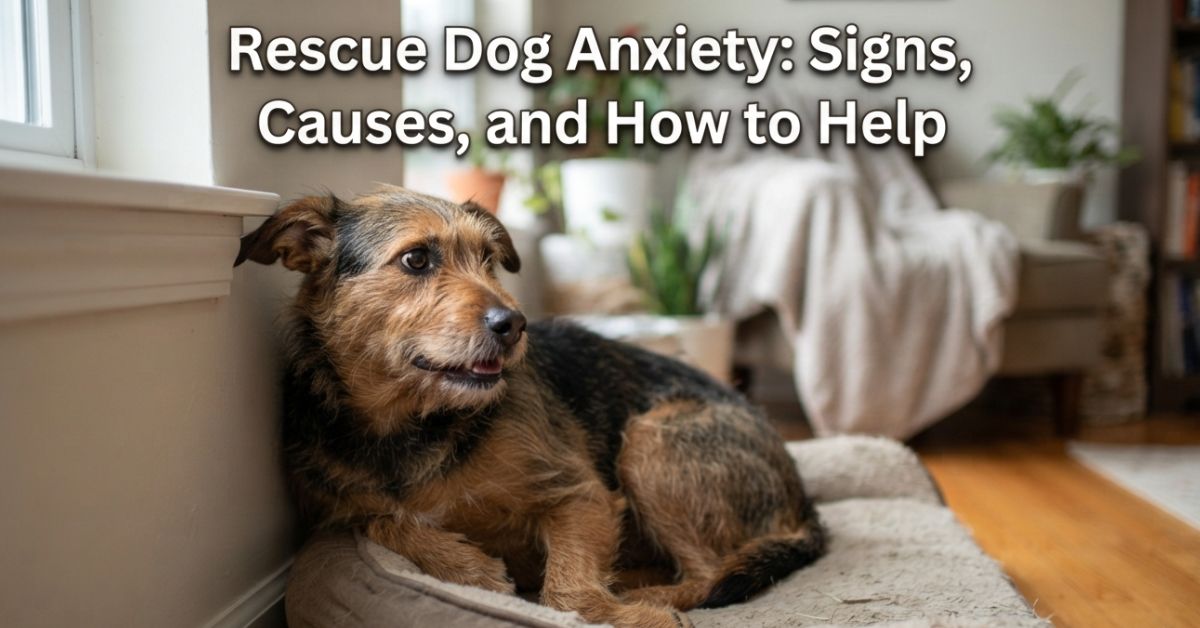
Bringing a rescue dog home can feel exciting until you notice them hiding, shaking, barking, or keeping their distance. You may start wondering if you have done something wrong. Usually, your dog is simply trying to make sense of a new place, new people, and a new routine. Rescue dog anxiety can happen during this adjustment, and knowing what your dog needs can make those first days much easier.
Is Anxiety Normal for a Rescue Dog?
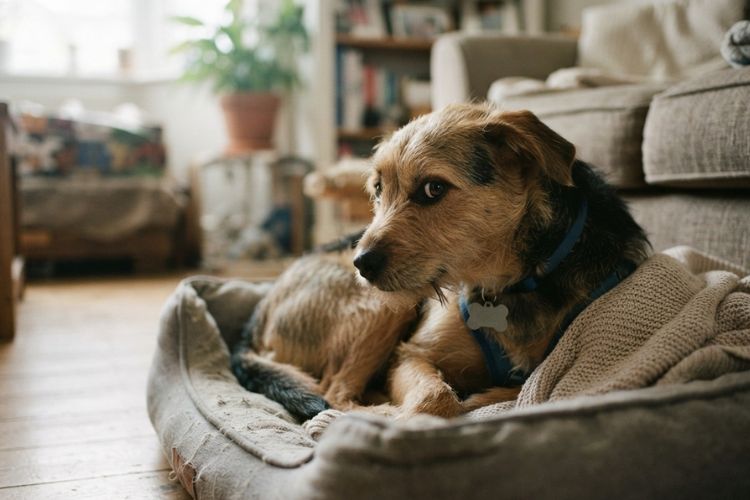
A new home brings a lot of changes at once. The dog may be learning new voices, smells, rooms, routines, and expectations. Even a friendly dog can feel unsure when everything around them is different from what they knew before. Some dogs settle fairly quickly, while others need much longer to feel comfortable.
A dog’s history can also play a role, although it is not always known. A rescue dog does not necessarily have a history of abuse or neglect. Sometimes the reason for surrender or the events before arrival are simply unclear. Giving the dog time to adjust is often more useful than expecting them to immediately act confident or affectionate.
What Are the Signs of Rescue Dog Anxiety?
Anxiety does not look the same in every dog. Some become quiet and withdrawn, while others pace, bark, or follow their owner everywhere. Knowing the common rescue dog anxiety signs can help you notice when your pet is struggling.
Physical signs can include panting when the dog is not hot, trembling, shaking, drooling, pacing, restlessness, or losing interest in food. Behavioral changes may include hiding, whining, barking, destructive behavior, accidents in the house, freezing, trying to escape, or becoming unusually clingy.
Pay attention to the smaller signals as well. Lowered body, tucked tail, ears held back, lip licking, yawning, avoiding eye contact, or cowering may show discomfort. Learning dog body language can help you know when your dog needs more space, not more attention.
Why Do Rescue Dogs Become Anxious?
There is rarely one explanation for shelter dog anxiety. A dog may simply be overwhelmed by the number of changes happening around them. The important thing is to look at what is happening now rather than assuming you know everything about their past.
A New Home and Routine
Even simple things can feel unfamiliar. Feeding times, walks, sleeping arrangements, household sounds, and rules may all be different. Your dog may need some time to figure out what is expected and learn that the new routine is predictable.
Previous Stressful Experiences
Some dogs have experienced abandonment, repeated changes in homes, or other stressful situations. Others may have no known history at all. It is better to avoid making assumptions and focus on the behavior your dog is showing in front of you.
Too Much Change at Once
A house full of visitors, children wanting to play, other pets, long outings, and constant handling can be a lot for a newly adopted dog. Even positive experiences can become stressful if they happen too quickly.
Separation From Familiar People or Animals
Leaving a shelter, foster home, or previous family can be difficult for some dogs. This can contribute to separation anxiety in rescue dogs, especially when the dog has not yet learned that their new person will return after leaving.
Medical Problems
Pain and illness can sometimes affect a dog’s behavior. If anxiety appears suddenly or your dog’s behavior changes without an obvious reason, a veterinary check can help rule out an underlying health problem.
How Long Does Rescue Dog Anxiety Last?
There is no set timeline for rescue dog anxiety. Some dogs begin relaxing within a few days, while others need weeks or months. You may hear about the 3-3-3 rule, which is sometimes used as a general way to describe the adjustment period. It should not be treated as a deadline because every dog is different.
The first few days may be about simply feeling safe. During the following weeks, your dog may start learning the household routine and showing more of their personality. Over the next few months, trust may continue to grow. Progress can be slow, and a dog that seems comfortable one day may still have nervous moments later.
How Can You Help a Rescue Dog Feel Safe?
The first goal is not to make your dog outgoing. It is to help them feel secure enough to relax and learn their new surroundings.
Give Your Dog a Quiet Place
Set up an area where your dog can rest without being disturbed. Let them move away when they need space. Children and visitors should also understand that approaching a nervous dog is not always helpful.
Keep the Routine Predictable
Try to keep meals, bathroom breaks, walks, and bedtime at similar times each day. Having a routine helps your dog know what to expect and can make the new environment feel less overwhelming. Over time, these familiar patterns can help your dog settle in and feel more secure.
Let the Dog Approach at Their Own Pace
Do not rush your dog into being social. Give them the freedom to decide when they want to come closer, whether that means sitting beside you or simply watching from across the room. Keep your movements relaxed and avoid reaching toward them too quickly. Some dogs become comfortable within days, while others need several weeks to feel safe enough to seek out touch and attention.
Use Positive Reinforcement
Notice and reward the small moments when your dog stays calm around something that normally makes them nervous. A favorite treat, gentle praise, or familiar toy can help create a positive association. Avoid scolding fearful reactions because it can make your dog more stressed. Give them time to build trust and become comfortable at their own pace.
What Should You Avoid With an Anxious Rescue Dog?
It can be tempting to push a nervous dog to face their fears, but too much pressure can make the situation harder. Avoid forcing greetings, crowded outings, or physical contact when your dog is clearly uncomfortable. Do not punish growling, barking, hiding, or other fear-related behavior.
Try not to change the routine constantly either. Your dog needs time to understand their new environment. Giving them space does not mean ignoring them. It means allowing them to experience new things at a pace they can handle.
Can Training Help a Rescue Dog With Anxiety?
Training can give a nervous dog something familiar to focus on and can help build confidence. Start with simple cues in a quiet setting and reward your dog for calm responses. Short sessions are usually easier than expecting a worried dog to concentrate for a long time.
New experiences should also be introduced gradually. If your dog is afraid of something, begin at a distance where they can remain calm. Over time, that distance can be reduced carefully. Pushing too quickly can make the fear stronger instead of helping the dog overcome it.
What If My Rescue Dog Is Afraid of People or Other Dogs?
If you are adopting a dog, you do not need to make them greet every person or animal they meet. Give your dog enough space to watch from a comfortable distance, especially when they seem nervous. Reward calm behavior and let them move away when they need a break.
Not every dog needs to be friendly with everyone. A good sign of progress may simply be being able to pass another person or dog calmly during a walk. This matters even more when shelter dog anxiety is linked to certain people, animals, or situations.
When Should You Contact a Veterinarian or Behavior Professional?
Some nervousness is expected during adjustment, but severe or worsening anxiety should not be ignored. Contact your veterinarian if your dog refuses food or water, repeatedly tries to escape, injures themselves, shows severe panic, becomes aggressive, or cannot settle enough to eat, sleep, walk, or interact normally.
A sudden behavior change also deserves attention because pain or another medical problem can sometimes look like anxiety. If the problem continues, a qualified behavior professional can help create a plan based on your dog’s specific triggers and responses.
Can Medication Help a Rescue Dog With Anxiety?
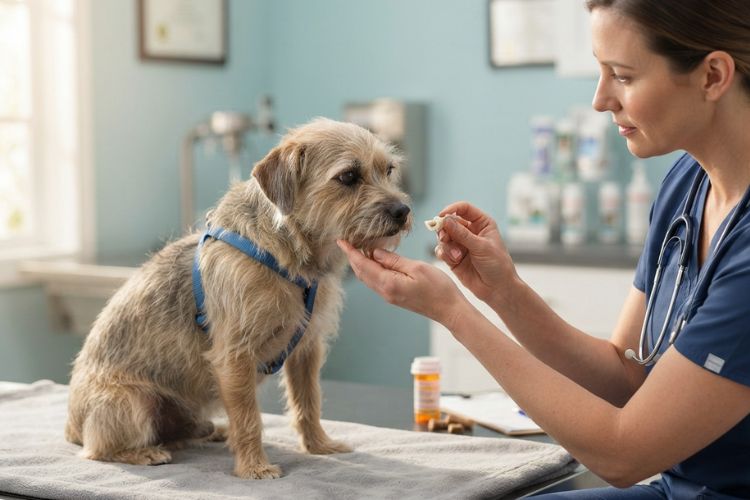
Medication is not needed for every dog with rescue dog anxiety. However, a veterinarian may consider it when anxiety is severe or is interfering with everyday life. In those cases, medication may be used alongside behavior work and changes at home.
Never give your dog medication intended for people unless your veterinarian specifically tells you to. The right approach depends on the individual dog, their health, and the type of anxiety they are experiencing.
Helping Your Rescue Dog Feel More Confident
Building confidence takes time, so keep new experiences simple at first. Let your dog explore without pushing them into situations that feel overwhelming. Food puzzles, easy games, regular exercise, and short training sessions can give them something positive to focus on while they get used to their new surroundings.
If you are preparing for a Rescue Dog, have a quiet place ready before they arrive and keep the first few days low-key. If separation anxiety in rescue dogs becomes a concern, start with short periods apart and slowly increase the time. Severe anxiety may need support from a veterinarian or qualified behavior professional.
You may start noticing little changes as your dog becomes more comfortable. They might sleep more peacefully, explore another room, come closer to family members, accept treats, or relax while you move around. These small moments are good signs that your dog is starting to feel safe in their new home.
Final Thoughts
A nervous rescue dog may not feel at ease right away, and that is perfectly okay. Give them time to learn their new surroundings and understand that they are safe. A steady routine, gentle guidance, positive reinforcement, and gradual exposure can help them become more comfortable without putting extra pressure on them.
Give your dog time to show their real personality instead of expecting quick changes. Notice the little improvements, such as exploring the house, resting more peacefully, playing, or choosing to stay close to you. With patience and steady support, trust can grow naturally.
FAQs
Should I ignore my rescue dog when they are scared?
No. You do not need to leave your dog completely alone when they are frightened. Stay close, speak in a calm voice, and give them enough space to feel comfortable. Let your dog come to you when they are ready instead of trying to force attention or affection.
How do I calm my rescue dog at night?
Give your dog a comfortable, quiet place to sleep away from busy areas of the house. Try to follow the same bedtime routine each night and keep noise and activity low. With time, the familiar routine can help them relax.
Can a rescue dog develop separation anxiety?
Yes. Separation anxiety in rescue dogs can show up as barking, pacing, chewing things, trying to escape, or becoming very distressed when left alone. If these reactions happen regularly, your dog may need more than time to adjust. Gentle training and guidance from a veterinarian or behavior professional can help.
Will my rescue dog ever stop being anxious?
Many dogs become more relaxed as they settle into their routine and learn to trust their new family. Progress can take time and may not happen in a straight line. Patience, consistency, training, and the right support can help your dog feel more secure.
When should I get professional help for my rescue dog’s anxiety?
Consider professional help if the anxiety becomes severe, continues to worsen, causes self-injury, affects eating or sleeping, or makes everyday activities difficult. A veterinarian can check for possible medical issues and suggest appropriate behavioral support.