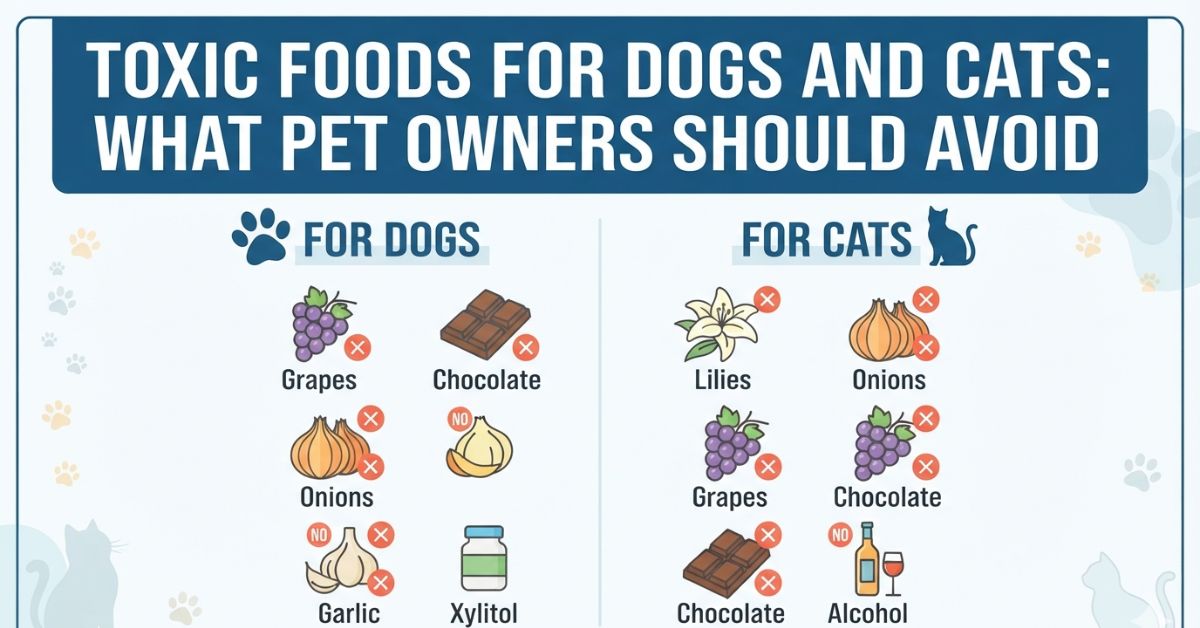
A snack that is harmless to people can be a serious problem for a dog or cat. Pets are curious, quick to grab dropped food, and often unable to tell the difference between a safe treat and something dangerous. Knowing which foods belong on the no-go list can help prevent an avoidable emergency.
Some toxic foods for dogs and cats can cause stomach upset, while others may affect the kidneys, liver, blood sugar, or nervous system. The risk depends on the food, amount eaten, species, size, and health of the pet. That is why suspected poisoning should be taken seriously, even when a pet looks fine at first.
Why Some Human Foods Are Dangerous for Pets
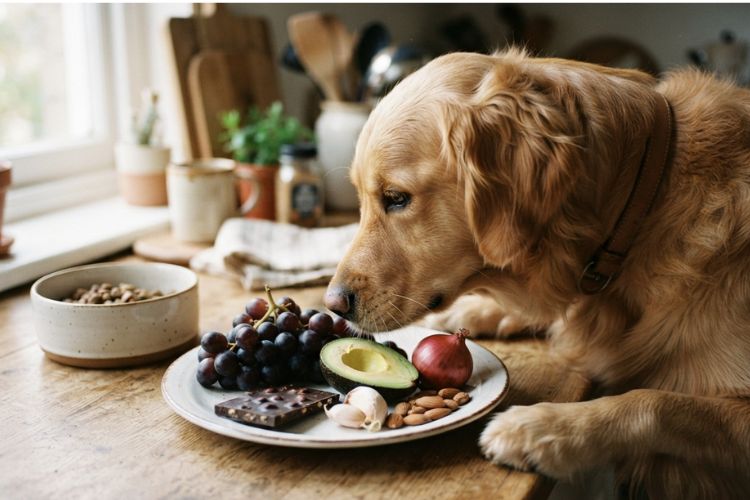
Pets process certain ingredients differently from people. Chocolate contains methylxanthines, grapes and raisins can cause kidney injury in dogs, and xylitol can cause a dangerous drop in blood sugar in dogs. Onions and garlic can damage red blood cells, with cats being particularly sensitive.
This does not mean every food from your kitchen is toxic. Some foods are simply unsuitable because they are too fatty, salty, seasoned, or difficult to digest. Knowing the difference between human foods toxic to pets and foods that simply cause digestive problems can help owners make safer choices. ASPCA lists grapes, raisins, xylitol, onions, garlic, macadamia nuts, and excessively salty foods among important food-related hazards.
Dangerous Foods for Dogs and Cats
Some foods are more dangerous than others, and the risks are not always obvious. Chocolate may affect the heart and nervous system, while grapes and raisins can cause serious kidney problems. Other ingredients, such as onions, garlic, and xylitol, can also cause severe reactions.
The following are some of the most important foods and ingredients to keep away from pets. Knowing where these hazards commonly appear can make it easier to prevent accidental exposure at home.
Chocolate and Caffeine
Chocolate is one of the most familiar pet poison foods, but the risk varies with the type and amount. Dark chocolate, baking chocolate, and cocoa powder contain higher concentrations of methylxanthines than milk chocolate. Coffee, tea, energy drinks, and other caffeinated products can also cause serious problems.
After exposure, a pet may vomit, become restless, develop a fast or abnormal heartbeat, tremble, or have seizures. Dogs are more likely to consume large amounts because they may eat chocolate left within reach. ASPCA reported that chocolate accounted for 13.6% of its poison-control exposures in 2025.
Grapes and Raisins
Grapes and raisins may look like harmless treats, but they can be very dangerous for dogs. They have been linked to sudden kidney problems, and there is no reliable amount that can be considered safe. Some dogs may become seriously ill after eating only a small quantity.
They can also turn up in foods you might not expect, including baked goods, cereals, trail mixes, and desserts. If your dog eats grapes or raisins, watch for vomiting, diarrhea, weakness, dehydration, or loss of appetite. Since kidney problems may develop before clear signs appear, contact a veterinarian as soon as possible after an exposure.
Onions, Garlic, and Chives
Onions, garlic, chives, and related Allium plants can damage red blood cells and cause anemia. Cats are especially susceptible, although dogs can also become ill after consuming enough of these ingredients. Raw, cooked, dried, powdered, and concentrated forms can all cause problems.
These ingredients are common in sauces, soups, gravies, seasoning mixes, and prepared meals. That makes them some of the easiest human foods toxic to pets to overlook when sharing leftovers.
Xylitol and Sugar-Free Products
Xylitol is a sweetener found in products such as sugar-free gum, candy, baked goods, and some toothpaste. It is particularly dangerous for dogs and can cause a rapid drop in blood sugar, followed by seizures or more serious complications. Liver injury can also occur.
Always read the ingredient list before giving a dog a product made for people. A label that says “sugar-free” does not mean the product is safe. If xylitol may have been consumed, do not wait for symptoms before contacting a veterinarian.
Macadamia Nuts and Fatty Foods
Macadamia nuts are another type of pet poison food that dogs should stay away from. They can cause weakness, vomiting, tremors, depression, and increased body temperature. The exact toxic component is still not fully understood.
Other nuts and fatty table foods may not have the same toxicity, but they can still cause digestive upset and may contribute to pancreatitis in some pets. Foods covered in butter, grease, heavy sauces, or excessive salt are also harmful foods for dogs and are better kept off their menu.
Alcohol, Raw Dough, and Salty Foods
Alcohol is not safe for pets, even in small amounts. It can cause vomiting, poor coordination, breathing problems, tremors, and other serious reactions. Keep alcoholic drinks, cooking products that contain alcohol, and foods made with alcohol well out of your pet’s reach.
Raw yeast dough creates another concern because it can expand inside the stomach and produce alcohol as it ferments. Excessive salt can cause vomiting, diarrhea, increased thirst, tremors, seizures, and dangerous electrolyte changes. These are often overlooked when people think about harmful foods for dogs.
Foods That May Be Unsafe Without Being Classic Poisons
Not everything that makes a pet sick is technically a poison. Dairy products, for example, may cause digestive upset because many pets have limited ability to digest lactose. Raw meat and eggs can carry bacteria, while bones can cause choking, injury, or gastrointestinal obstruction.
Fatty leftovers can also upset the digestive system or contribute to pancreatitis. The FDA notes that some foods, including bones and corn cobs, can create an obstruction even though they are not classic toxins. This distinction is useful because some harmful foods for dogs can cause serious problems without being poisonous in the traditional sense.
What to Do If Your Pet Eats Something Toxic
If your pet gets into one of these foods, stay calm and gather as much information as possible. Find the packaging or ingredient list, note what was eaten, estimate the amount, and record when the exposure happened. This information can help the veterinarian determine what should happen next.
Do not make your pet vomit unless a veterinarian or veterinary poison professional specifically tells you to do so. If you are learning basic pet first aid tips, remember that poisoning requires professional guidance rather than home treatment. Treatment depends on the substance, amount, timing, and condition of the animal.
For a known exposure to toxic foods for dogs and cats, contacting a veterinarian promptly is safer than waiting for signs to appear. Some toxins can cause delayed problems, so an apparently normal pet may still need evaluation.
Signs of Possible Food Toxicity
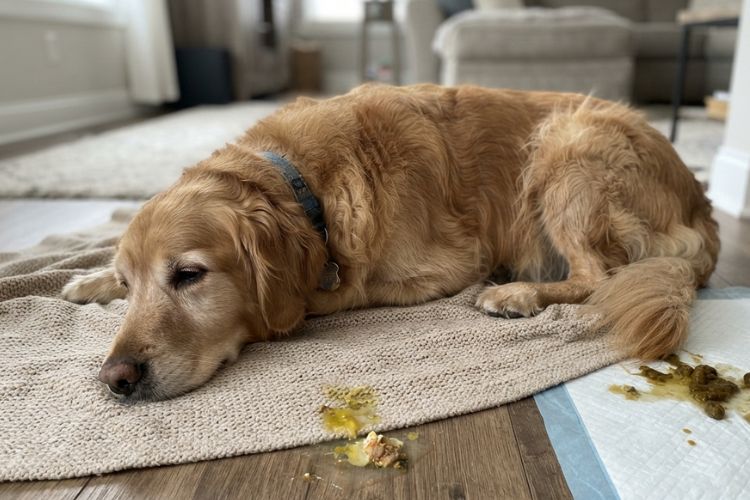
Symptoms vary depending on what was eaten. Watch for vomiting, diarrhea, unusual tiredness, weakness, loss of coordination, tremors, changes in appetite, increased thirst, pale gums, breathing changes, seizures, or collapse.
These signs can also occur with many illnesses that have nothing to do with poisoning. Still, if they appear after your pet may have eaten something unusual, tell your veterinarian exactly what happened. Early information can make it easier to identify the cause.
How to Keep Dangerous Foods Away?
Keeping harmful foods out of reach is one of the easiest ways to protect a pet. Store chocolate, gum, candy, grapes, raisins, seasonings, and other risky foods in closed cabinets or containers. Keep trash covered too, especially if your pet likes to search for leftovers. Try not to leave food unattended on counters or tables.
Extra care is needed during holidays, parties, and family meals when pets may have more chances to grab something they should not eat. If you are adopting a dog, make sure everyone at home knows which foods are off-limits. This helps prevent well-meaning family members or guests from sharing unsafe treats.
It also helps to check the labels on packaged foods, especially sugar-free products that may contain xylitol. Simple habits like these can lower the risk of exposure to human foods toxic to pets and other dangerous foods for dogs and cats.
Last Words
Knowing the common food hazards can prevent many emergencies. Keep toxic foods for dogs and cats out of reach, be careful with prepared foods that contain hidden ingredients, and remember that dogs and cats can have different sensitivities.
Some foods that are dangerous for dogs may not cause signs right away. If your pet eats something they shouldn’t, contact a veterinarian as soon as possible and share what they ate, how much they had, and when it happened.
A little planning in the kitchen goes a long way. Keeping pet poison foods away from counters, bags, trash cans, and dining areas makes the home safer for curious animals and the people who care for them.
FAQs
What foods are toxic to dogs?
Chocolate, grapes, raisins, onions, garlic, xylitol, macadamia nuts, alcohol, and raw yeast dough can be dangerous for dogs. Keep these foods away from your pet and contact a veterinarian if an exposure occurs.
What foods should cats avoid?
Cats should not be given foods such as onions, garlic, chocolate, alcohol, grapes, or raisins. Some human foods may also cause digestive problems even when they are not considered toxic.
What should I do if my pet eats something toxic?
Remove access to the food and contact your veterinarian promptly. Keep the packaging or ingredient list and note what your pet ate, approximately how much, and when it happened. Do not induce vomiting unless a veterinary professional tells you to.
Can a small amount of toxic food hurt a pet?
Yes. The risk depends on the food, amount consumed, species, body size, and other factors. Some substances can cause serious effects even when only a small quantity is eaten.
How can I prevent food poisoning in pets?
Keep potentially dangerous foods in closed cabinets or containers, secure your trash, and avoid leaving meals unattended. Make sure everyone in the household knows which foods should never be shared with pets.