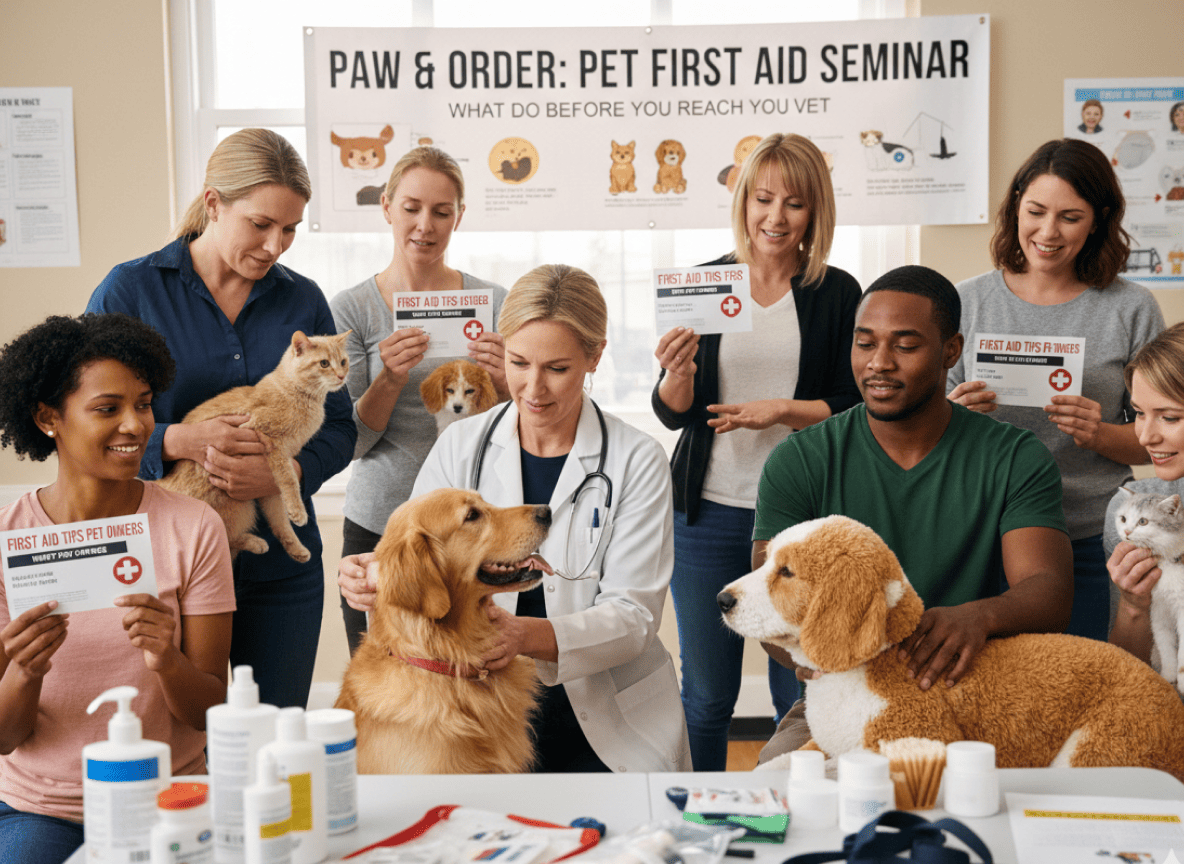
Emergencies can happen when you least expect them, and knowing how to respond quickly can make a real difference. Many pet owners panic in stressful moments, but having basic knowledge allows you to act calmly and protect your pet from further harm.
Learning simple pet first aid tips helps you handle situations before professional care is available. These small but important actions can stabilize your pet and improve recovery chances while you prepare to reach a vet.
Being Ready Before an Emergency Happens
Preparation is one of the most important parts of caring for a pet. When you are ready ahead of time, you can act quickly without confusion. Knowing what to do and having the right supplies nearby can reduce stress during unexpected situations.
Being prepared also helps you stay calm. Pets often react to your emotions, so a steady response makes them feel safer. Following basic pet first aid tips becomes much easier when you are mentally and physically prepared.
What You Should Keep at Home
Every pet owner should have essential supplies ready in case of an emergency. A well-prepared kit allows you to act quickly and provide immediate care before heading to a clinic. Keeping everything in one place makes access easier when time matters most.
A proper pet first aid kit checklist may include bandages, antiseptic wipes, gloves, tweezers, and a digital thermometer. Regularly checking your supplies ensures everything is clean, complete, and ready to use when needed.
Injury and Emergency Situations
Knowing how to handle common emergencies is a key part of responsible pet care. Quick action can prevent a situation from getting worse and give your pet the support it needs until professional help is available.
- If Your Pet Is Bleeding
Bleeding can be alarming, but acting quickly helps control the situation. Apply gentle pressure using a clean cloth or bandage to stop the flow. Keep your pet calm and limit movement to prevent further injury.
Understanding pet injury first aid allows you to manage wounds safely and reduce the risk of infection. Once bleeding is controlled, seek veterinary care as soon as possible.
- If Your Pet Swallows Something Harmful
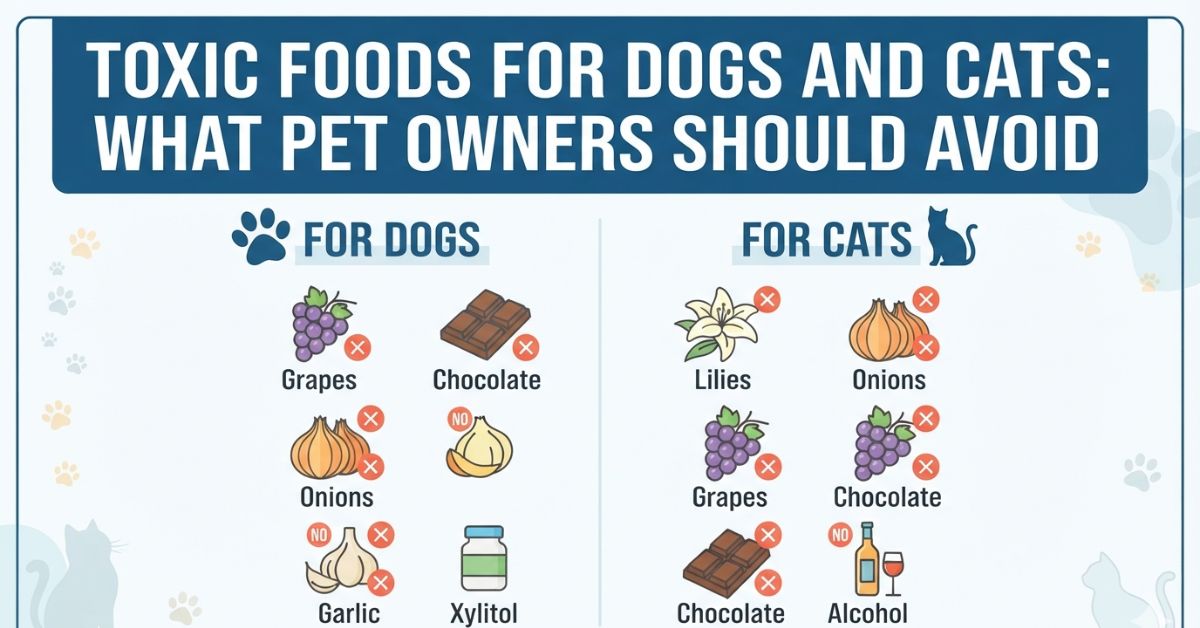
Pets often explore by tasting things, which can sometimes lead to trouble. If your pet consumes something unsafe, you may notice signs like vomiting, low energy, or unusual behavior. Remove the harmful item immediately and keep your pet in a safe space.
Acting quickly is very important in these situations. Contact a professional for advice as soon as possible. If the issue involves environmental danger or public safety, you can also reach out for Animal Control Help to manage the situation safely.
- If Your Pet Starts Choking
Choking can become serious very quickly. Signs include difficulty breathing, pawing at the mouth, or unusual sounds. Carefully check your pet’s mouth if it is safe to do so and remove any visible objects.
If the object cannot be removed easily, seek immediate help. Following basic first aid for pets in these situations can save valuable time and protect your pet’s airway.
- If Your Pet Gets Burned
Burns can happen from contact with hot items, chemicals, or even electrical sources. To help your pet, gently rinse the affected area with clean, cool water to soothe the skin. Avoid using ice, as it can damage the tissue and make the injury worse.
During this time, handle your pet gently and keep them as calm as possible. Try not to touch the injured area unnecessarily. Using basic pet first aid tips can help reduce pain and limit further damage until you reach a veterinarian.
- If Your Pet Is Injured or Limping
Injuries or limping may indicate a sprain or fracture. Avoid moving your pet too much and keep it in a comfortable position. Supporting the injured area helps prevent further damage.
Applying pet injury first aid correctly ensures your pet remains stable until professional care is available. Always handle your pet gently to avoid increasing pain or stress.
How Your Reaction Makes a Difference
Your response plays a major role in how your pet reacts during an emergency. Staying calm helps your pet feel less anxious and more secure. Panic can make the situation worse by increasing your pet’s stress.
Practicing pet first aid tips regularly can help you stay confident in real situations. When you act with control and clarity, your pet is more likely to remain calm and cooperative.
Knowing When It’s Urgent
Some situations require immediate veterinary attention and should not be handled at home for too long. Severe bleeding, difficulty breathing, or loss of consciousness are clear warning signs.
In urgent cases, do not delay seeking help. While first aid for pets can provide temporary support, professional care is always necessary for serious conditions.
Things That Can Make the Situation Worse
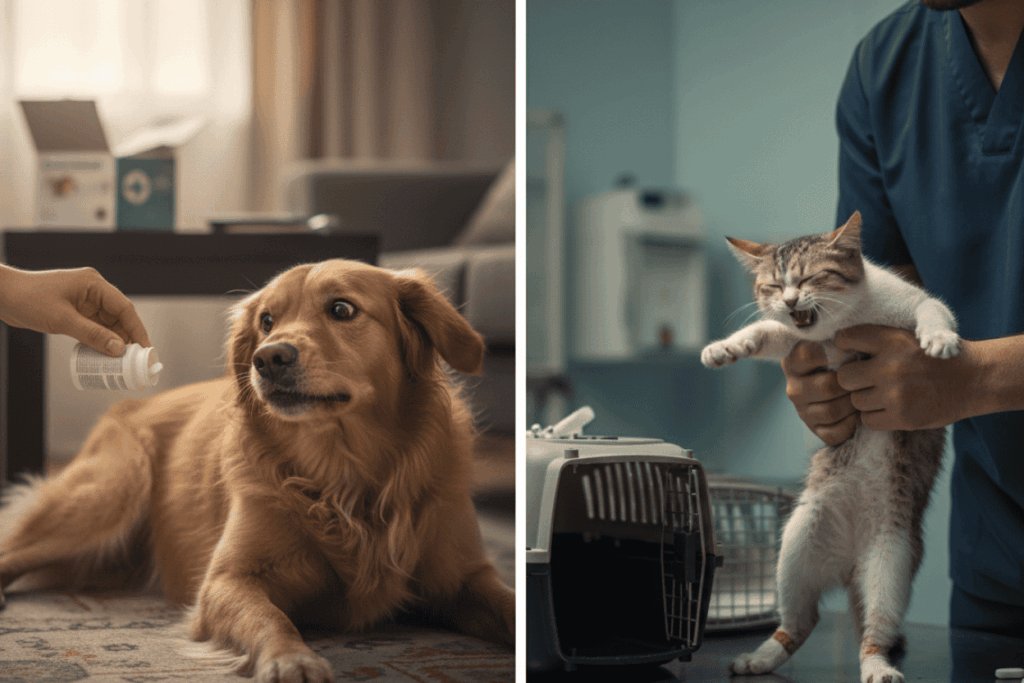
Some actions, even when done with good intentions, can make an emergency more serious. Giving human medicines without proper advice can be unsafe for pets. Handling an injured pet too roughly may also increase pain and lead to further harm.
Another common mistake is overlooking early warning signs. Small symptoms can quickly turn into bigger problems if ignored. Following the right pet first aid tips helps you respond carefully and ensures your pet receives safe and proper support.
Staying Prepared for the Unexpected
Preparation goes beyond having supplies. Keep important contact numbers saved and know the nearest veterinary clinic. Planning ahead allows you to act quickly without wasting time.
You can also connect with a nearby animal shelter for additional guidance and support in emergency situations. Regular checkups and awareness further help you stay ready for unexpected events.
Final Thoughts
Taking the time to learn and apply pet first aid tips can truly improve your pet’s safety during unexpected situations. Acting quickly, staying calm, and providing the right care can help you handle emergencies with more confidence and control.
When you stay prepared and aware, you are better able to support your pet in critical moments. Even small actions can bring comfort, lower risks, and help your pet stay stable until you are able to reach professional care.
If you ever need extra support, organizations like North Bay Animal Services offer guidance, resources, and care for pets and their owners. Their work helps ensure animals receive the attention they need, especially during urgent situations, making them a reliable support system for pet communities.
FAQs
1. What should I include in a pet first aid kit?
A basic kit should include bandages, antiseptic wipes, gloves, tweezers, and other essential items for handling minor injuries.
2. Can I treat my pet at home without a vet?
Minor issues can be managed temporarily, but professional care is always recommended for proper treatment.
3. How do I know if my pet needs urgent care?
Signs like heavy bleeding, breathing problems, or sudden weakness require immediate veterinary attention.
4. What should I do if my pet eats something harmful?
Remove access to the substance and contact a professional immediately for guidance.
3. Why is pet first aid important?
It helps you act quickly in emergencies, reduces panic, and improves your pet’s chances of recovery.