Watching a dog slow down can be hard. Maybe your dog no longer rushes to the door, takes longer to climb the stairs, or prefers a nap over a game of fetch. These changes can be part of getting older, but they should not be ignored. Caring for senior dogs means paying attention to those small differences and changing their care as their needs change.
When Is a Dog Considered a Senior?
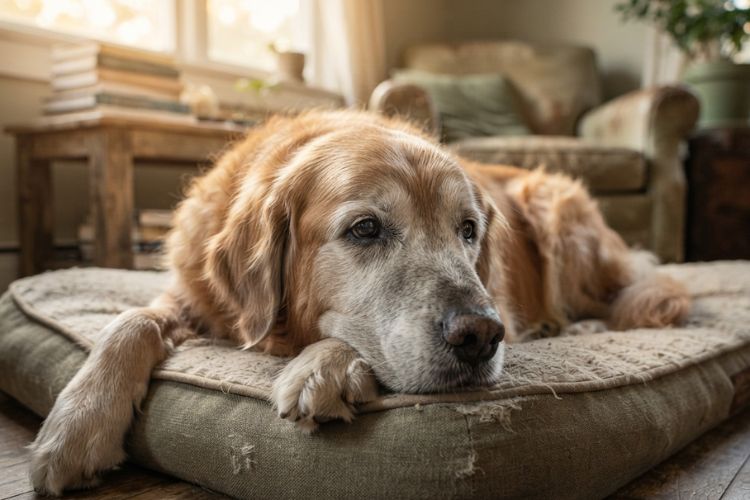
There is no single age when every dog becomes a senior. Breed, size, genetics, and overall health all affect how quickly a dog ages. Large breeds may show age-related changes earlier than smaller dogs.
Rather than focusing only on your dog’s age, pay attention to changes in their normal habits. Taking longer to stand up, avoiding stairs, sleeping more, or losing interest in favorite activities can all tell you that their needs are changing. This is where good senior dog care begins.
Health Checks Become More Important With Age
Older dogs need closer health monitoring because some conditions become more common as they age. Regular veterinary examinations can give your veterinarian a chance to check your dog’s weight, joints, teeth, heart, and general condition. Depending on your dog’s needs, blood or urine tests may also be recommended.
Senior dogs are commonly advised to have veterinary examinations around every six months, although the right schedule depends on the individual dog. Do not wait for a routine appointment if you notice something unusual.
-
Changes You Should Tell Your Vet About
Keep an eye out for unexplained weight loss, increased thirst, appetite changes, difficulty standing, trouble walking, new lumps, changes in sleep, or unusual behavior. Vision and hearing changes are also worth mentioning, especially as dog color vision and other visual abilities can change with age.
These health tips for senior dogs are mainly about noticing what is different from your dog’s usual habits. Even a small change can give your veterinarian useful information about your dog’s health.
Feeding an Older Dog Is Not Just About Buying Senior Food
Aging can affect a dog’s calorie needs, activity level, and ability to maintain muscle. Some older dogs become less active and need fewer calories, while others may need a diet designed around a specific health condition.
There is no single food that is right for every senior dog. Your veterinarian can help you choose a diet based on your dog’s weight, activity, medical needs, and overall condition.
-
Keep an Eye on Weight and Muscle
Try to notice gradual changes in your dog’s body shape. Carrying extra weight can put more pressure on aging joints, while unexplained weight loss may point to an underlying problem.
Muscle loss can also happen with age. A dog may maintain a similar weight while becoming weaker. Appropriate nutrition and regular movement can help support muscle, but sudden changes should be discussed with a veterinarian.
Senior Dogs Still Need Exercise
An older dog may not have the energy they once had, but staying active can still be important. Regular movement can support muscle strength, mobility, weight control, and mental stimulation. The goal is to adjust exercise rather than stop it completely. Your dog may enjoy shorter walks, gentle games, or other low-impact activities that match their physical ability.
-
How Much Exercise Does an Older Dog Need?
There is no fixed number of minutes that suits every senior dog. Breed, fitness, weight, joint health, and other medical conditions all matter.
Several short walks may be easier than one long outing. Gentle play can also provide activity without putting excessive pressure on the body. Watch your dog during and after exercise. If they seem painful, unusually tired, or reluctant to move afterward, speak with your veterinarian about changing the routine.
Make Exercise Easier on Aging Joints
Stiff joints can affect everyday activities. Your dog may hesitate before climbing stairs, struggle to stand after lying down, or stop jumping onto furniture. These signs deserve attention because pain can affect a dog’s mood and quality of life too.
Keeping your dog at a healthy weight can reduce stress on the joints. Low-impact activity can help maintain movement without placing too much strain on the body. Depending on the situation, a veterinarian may discuss pain relief, rehabilitation, physical therapy, or other options.
Do not give your dog human pain medication unless a veterinarian specifically tells you to. Some medicines that are safe for people can be dangerous for dogs.
Make the Home Easier to Navigate
A few changes around the house can make a noticeable difference. Older dogs may have less balance or flexibility, making slippery floors and stairs harder to manage.
-
Reduce Slipping and Falling
Place nonslip rugs or mats on smooth floors, particularly in areas your dog uses often. Keep walkways clear and consider limiting access to stairs if they have become difficult.
-
Give Your Dog a Comfortable Resting Area
An older dog may spend more time sleeping, so give them a comfortable bed in a quiet, easily accessible area. They should not have to climb stairs or jump onto furniture just to reach their favorite resting spot.
-
Keep Food and Water Within Easy Reach
Place food and water somewhere your dog can reach without struggling. If bending down appears uncomfortable, ask your veterinarian whether changing the bowl height would be suitable.
These small changes can make older dog care more comfortable without completely changing the household.
Do Not Forget Dental Care
Dental problems do not disappear with age. Older dogs can develop gum disease, damaged teeth, or painful areas in the mouth that make eating uncomfortable.
Watch for bad breath, excessive drooling, difficulty chewing, dropping food, or pawing at the mouth. These signs should not simply be accepted as part of getting older.
Regular dental examinations can help identify problems that may otherwise go unnoticed. Follow your veterinarian’s advice about professional dental care and maintaining your dog’s teeth at home.
Watch for Changes in Behavior
Behavior can tell you a lot about how an older dog is feeling. Pain, illness, hearing loss, vision changes, and cognitive problems can all affect behavior.
You might notice nighttime restlessness, confusion, increased anxiety, unusual vocalization, or less interest in familiar activities. Changes in vision can also affect how your dog moves around after dark, so understanding dogs’ night vision can help you notice when they may need extra support.
Mental activity still matters. Simple scent games, food puzzles, gentle training, and calm interaction can keep your dog engaged without putting too much physical demand on them.
Know Which Changes Need Attention
Aging is normal, but some changes should not simply be brushed off as part of getting older. Sudden weight loss, a drop in appetite, repeated vomiting or diarrhea, breathing problems, worsening pain, weakness, or trouble walking are all reasons to contact your veterinarian.
Also keep an eye on increased thirst or urination, wounds that take longer to heal, confusion, unusual behavior, or a noticeable change in your dog’s personality. These signs may have different causes, so getting them checked can help you understand what your dog needs. Recognizing these changes is an important part of health tips for senior dogs.
Build a Simple Senior Dog Care Routine
A consistent routine can make it easier to notice changes in your dog’s health. Keep meals, bathroom breaks, walks, medication, and bedtime around similar times when possible.
Every day
- Provide fresh water and appropriate meals
- Give suitable physical activity
- Offer some mental stimulation
- Watch how your dog moves and behaves
Every week
- Check body condition
- Look at the teeth and gums
- Check paws, nails, skin, and coat
- Notice changes in appetite or bathroom habits
Regularly
- Attend veterinary examinations
- Complete recommended screening tests
- Keep up with dental care
- Review food, exercise, medication, and supplements with your veterinarian
When Should You Change Your Dog’s Routine?
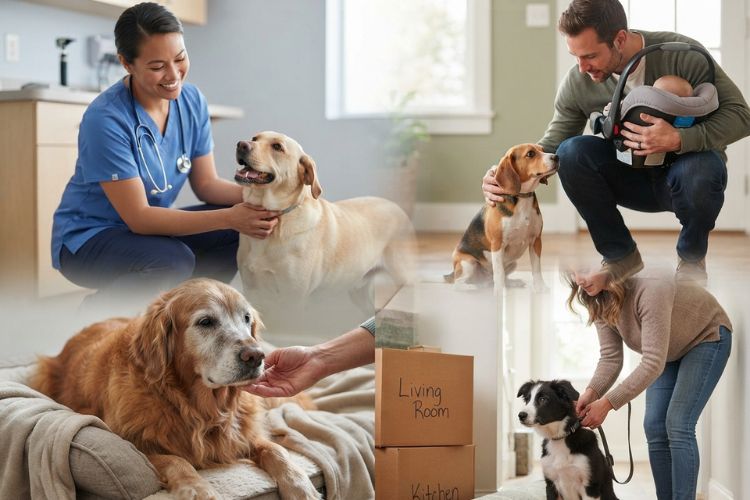
Your dog’s routine should change when their abilities or needs change. A dog that struggles with long walks may benefit from shorter outings. A dog gaining weight may need their food or activity reviewed. If stairs become uncomfortable, changing access around the house may help.
If you are adopting a senior dog, ask the shelter or rescue about their current diet, exercise, medication, mobility, and known health concerns. This information can help you prepare for their needs from the beginning.
Final Thoughts
Aging changes a dog’s needs, but it does not mean their best days are behind them. With the right food, appropriate exercise, regular health checks, and a comfortable home, many older dogs can continue enjoying their familiar routines.
Good care for senior dogs comes down to paying attention and making changes when needed. If you are looking for support with pet care, North Bay Animal Services provides shelter, medical care, enrichment, foster care, and adoption services for animals in need.
FAQs
What Is the Best Food for a Senior Dog?
There is no single best food for every older dog. The right option depends on your dog’s weight, activity level, health, and nutritional needs.
How Much Exercise Does a Senior Dog Need?
It depends on the dog’s health and physical ability. Some older dogs can continue regular walks, while others need shorter and gentler activities.
Should Senior Dogs Still Go for Walks?
Yes, when they can walk comfortably. Regular movement can support mobility and provide mental stimulation. The distance and pace should match your dog’s condition.
How Often Should a Senior Dog See a Vet?
Many senior dogs benefit from examinations about every six months. Dogs with health conditions may need a more individualized schedule.
Why Is My Senior Dog Sleeping More?
Older dogs often sleep more than younger dogs. However, a sudden increase in sleeping, particularly with weakness, appetite changes, or unusual behavior, should be discussed with a veterinarian.