
Many future dog owners spend time comparing male and female dogs before bringing a pet home. Some believe male dogs are more playful and affectionate, while female dogs are often described as calmer or easier to handle. In reality, personality can vary quite a bit from one dog to another.
Still, a few differences are commonly noticed when looking at male vs female dogs. Energy level, social behavior, size, and training habits may develop differently as dogs grow, especially during puppyhood and adolescence.
Understanding these traits can help owners choose a dog that better fits their lifestyle, home environment, and daily routine.
Differences Between Male and Female Dogs
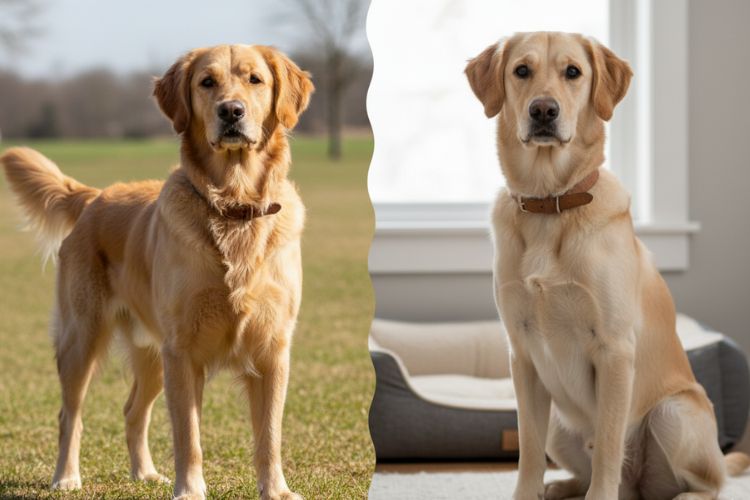
Although male and female dogs might have several common traits, there are some differences that have been observed in terms of behavior and physical attributes. However, these traits cannot be applied to all dogs based on their gender, since personality is influenced by other factors too.
For families considering adopting a dog, understanding these differences can help narrow down which type of personality and energy level may fit their home more comfortably.
1. Temperament and Personality
When discussing male vs female dogs, temperament is usually one of the first things owners mention. Male dogs are often described as playful, outgoing, and eager for attention. Many stay energetic for longer periods and enjoy constant interaction with family members.
Female dogs may appear slightly more independent or reserved in certain situations. Some settle into routines more quickly and show calmer behavior as they mature. The difference between male and female dogs becomes much smaller when both receive proper training and attention.
2. Size and Physical Build
In many breeds, male dogs grow larger and heavier than females. They often develop broader shoulders and a more muscular frame as they mature.
Female dogs are usually leaner and slightly smaller, although the difference may be subtle depending on the breed. Among male vs female puppies, these physical differences are not always obvious early on but become clearer with age.
3. Energy Levels and Playfulness
Some owners think that male dogs tend to stay playfully excitable for a long time, particularly during their adolescent period. They love playing active games and interacting constantly during the day.
The female dogs tend to calm down early on and behave more calmly in the house. However, one should know that comparing the female dog with the male is not necessarily fair since breed and temperament are much more important factors.
4. Affection and Attachment
Male dogs are often more openly affectionate and may constantly look for attention from their owners. Many enjoy staying close to family members and following people from room to room.
Female dogs can form equally strong bonds, although some show affection more quietly and may appear slightly more independent at times.
5. Training and Obedience
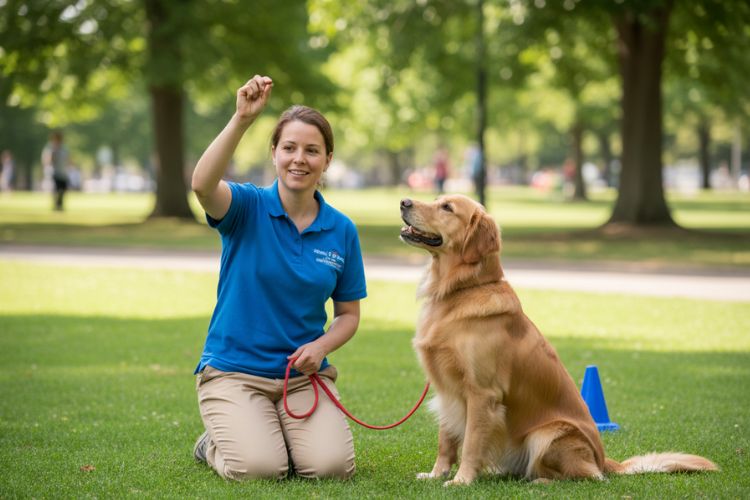
Dog training is quite individualized, but some owners think that female dogs develop their mental abilities faster and concentrate better throughout training classes.
Male dogs tend to get distracted rather quickly, particularly when there are other dogs or new places around. Between male and female dogs, early socialization and proper training play a much bigger role than gender.
6. Territorial and Marking Behavior
Male dogs who have not been neutered tend to urine-mark territories, especially outdoors or in the presence of strange dogs.
Females can also show territoriality, especially towards resting areas, food, and toys. It is also important for owners to recognize aggressive dog postures in both genders when meeting strange dogs.
7. Social Behavior Around Other Dogs
While some male dogs tend to challenge strange male dogs more often, some females are selective about strange females. This is mainly dependent on early socialization and training.
Comparisons between girl vs boy dogs can sometimes be misleading because personality differences within the same breed are often much greater than gender differences.
8. Health Differences
Male and female dogs face different health concerns throughout life. Male dogs may develop prostate or testicular issues, while female dogs can experience complications related to heat cycles or pregnancy.
Routine veterinary care, diet, and exercise are important for both genders. Owners raising male vs female puppies should also discuss spaying or neutering timelines with their veterinarian.
9. Grooming and Hygiene Needs
Grooming needs usually depend more on coat type than gender. Long-haired breeds require more brushing and maintenance regardless of whether the dog is male or female.
Female dogs in heat may need additional cleaning and supervision, while male dogs are sometimes more likely to mark objects during walks. Topics like dog color vision also help owners better understand how dogs interact with their surroundings and respond to movement differently than humans.
10. Lifestyle Compatibility
There are families that want their dogs to be social and playful, while others would rather have dogs with a calm personality. People who like an active environment might have dogs that enjoy playing outside and interacting with everyone around them, while other people might want to have indoor pets.
In most cases, the right dog depends more on lifestyle, training, daily routine, and personality than gender alone. Spending time with a dog before bringing them home can often give owners a better idea of whether the pet will fit comfortably into their household.
Which Dog Fits Your Lifestyle Better?
There is no single “better” choice when comparing male vs female dogs. It depends highly on your personal preferences and what dog characteristics you find most suitable for you.
Do you wish to have a very lively dog that likes to follow you everywhere and participate in all your activities? Or, do you wish to have a more independent animal that can sometimes leave you alone to relax? Some families like lively dogs, whereas some prefer those who can be quieter and more peaceful indoors.
The main thing that should always be kept in mind is the fact that ultimately, personality and activity levels will make more of a difference than gender.
Last Words
Both male and female dogs can become loyal, affectionate, and well-behaved companions when raised in a healthy environment. While some differences in behavior and personality may exist, training, consistency, and socialization usually have a much bigger influence over time.
Some male dogs are calm and gentle. Some female dogs are highly energetic and playful. Choosing the right dog is usually less about gender and more about finding a personality that matches your home, routine, and experience level.
For families still exploring the difference between male and female dogs or preparing to bring home a new pet, resources and support from organizations like North Bay Animal Services can help owners better understand responsible pet care, training, and everyday dog behavior.
FAQs
Are male dogs more affectionate than female dogs?
Male dogs are generally seen as more affectionate, although there are many female that become extremely attached to their owners. It all depends on personality and upbringing, not necessarily gender.
Which is easier to train, male or female dogs?
Some owners feel female dogs mature faster and stay focused more easily during training. However, consistency, socialization, and breed typically affect training success more than gender.
Are male dogs more aggressive than female dogs?
Not always. Aggression depends more on training, environment, socialization, and individual temperament than on whether the dog is male or female.